Asian Zen interior design: colours, materials and how to get the look
Quick answer
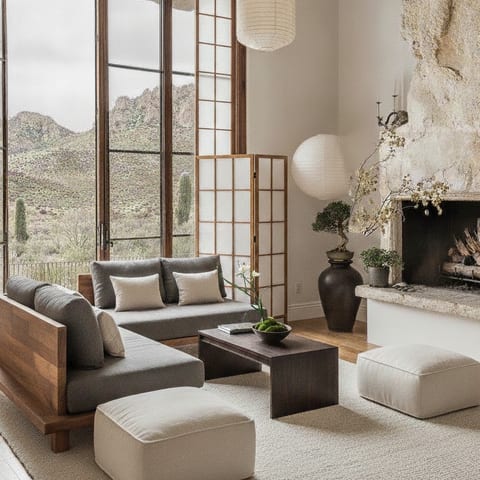
Asian Zen, often simply called Zen style, is a calm interior look inspired above all by traditional Japanese houses and gardens: low wooden furniture, floor cushions, shoji screens that soften the light, tatami-style mats, dark timber, stone and bamboo, and a view onto greenery. Everything has its place, surfaces stay clear, and the room is designed to rest the mind.

By Eduardo, founder of Calm Decoration
The colours of Asian Zen
#f2efe6#d9cfb8#8b8f6e#5a4a3a#2b2a28
What gives it away
- Low wooden furniture
- Shoji screens and tatami
- Dark timber and stone
- Bamboo and bonsai
- A view to the garden
Asian Zen rooms
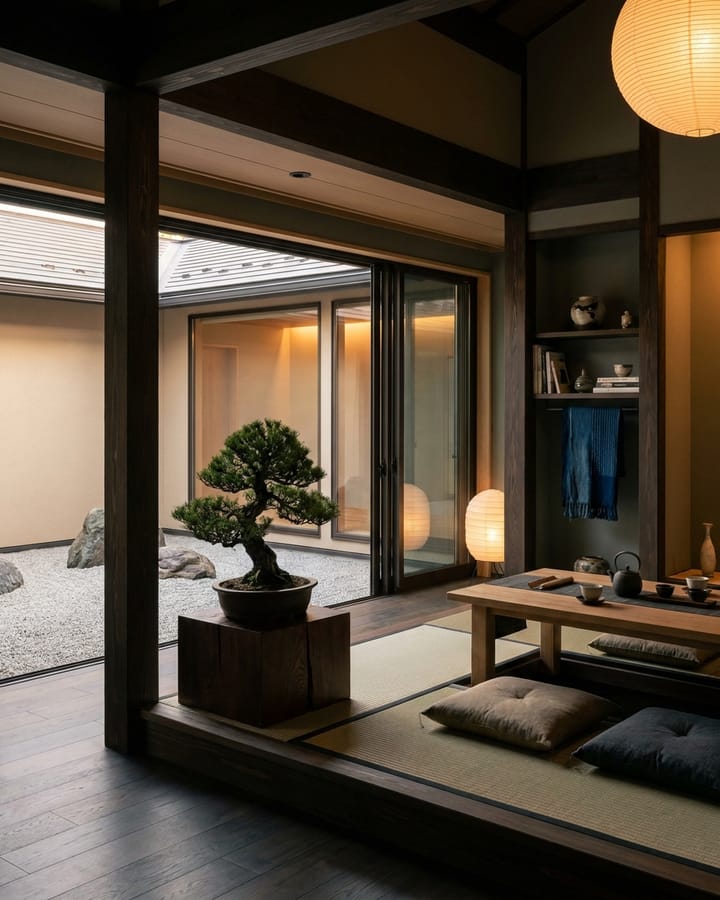
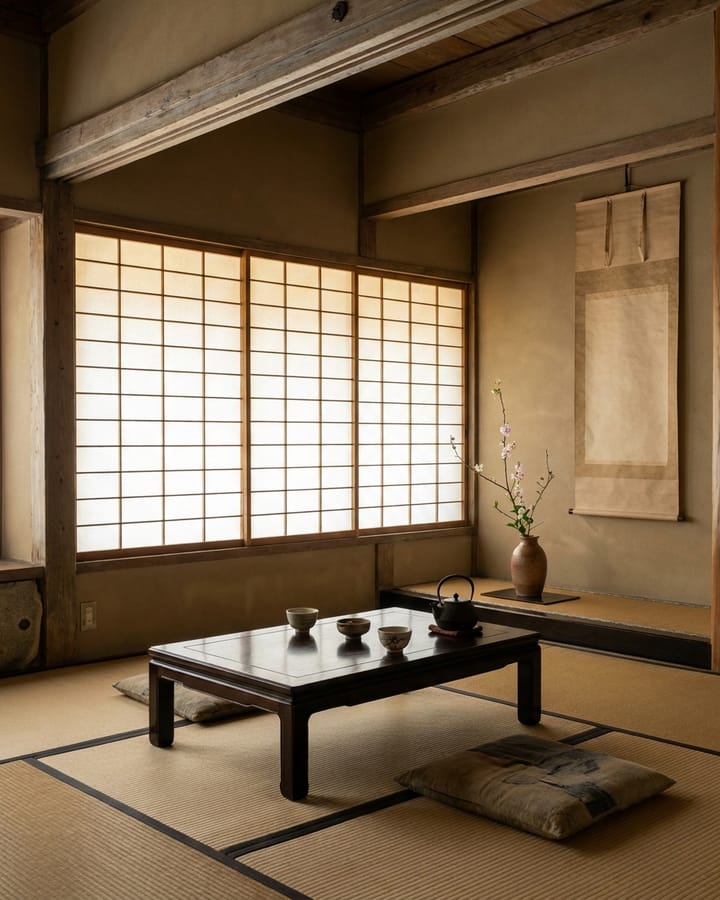
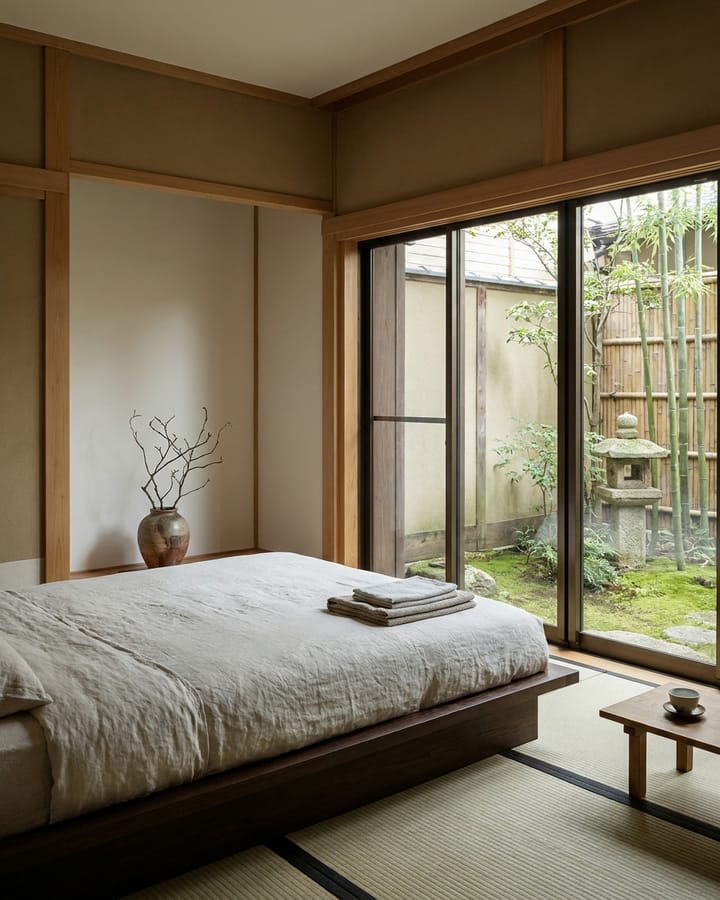
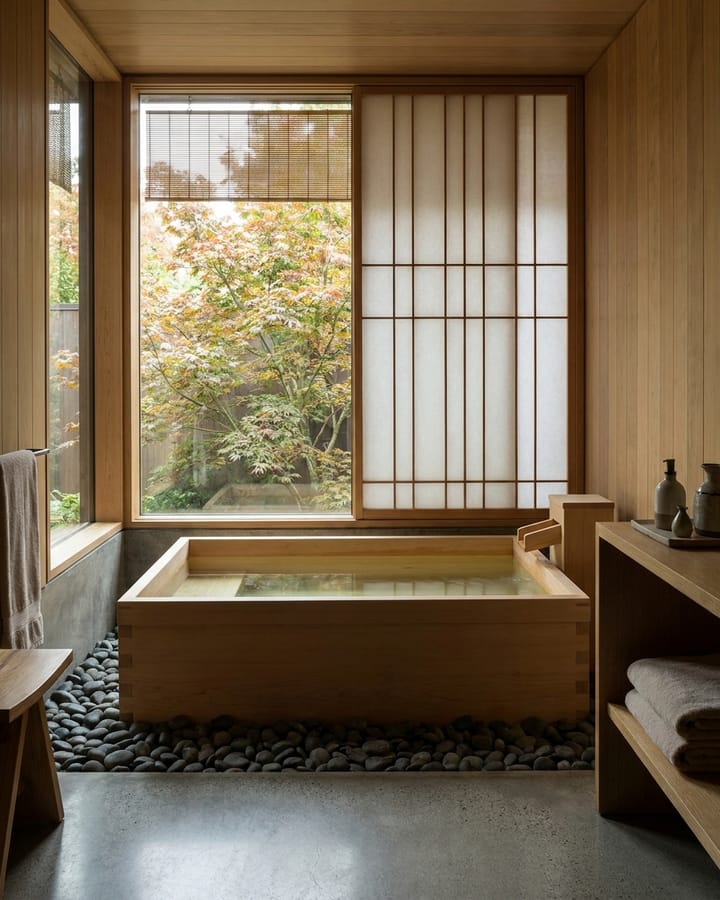
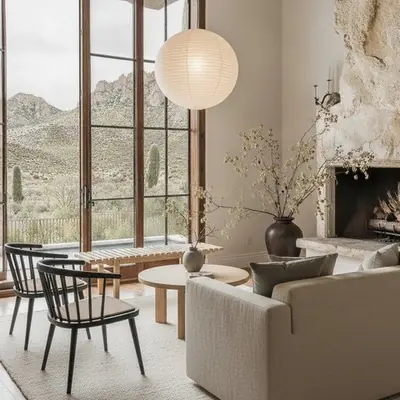
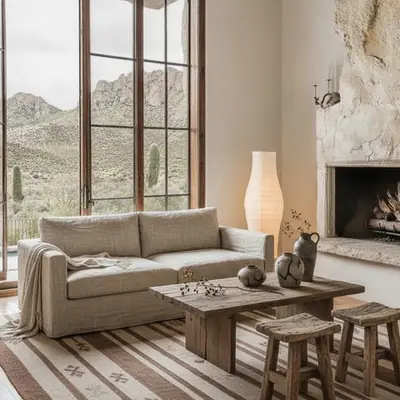
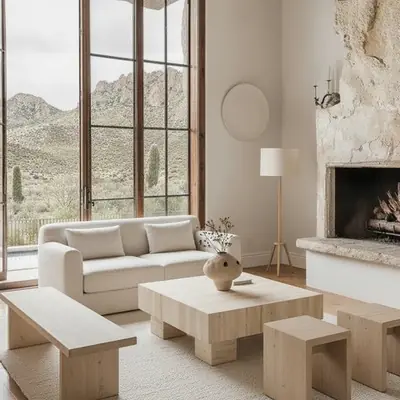
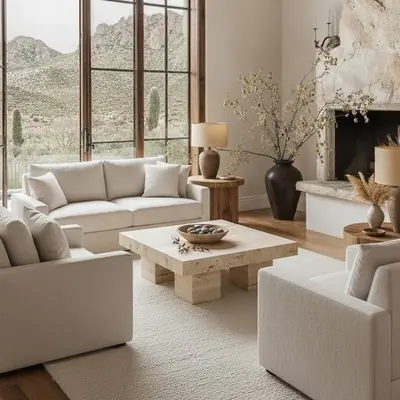
Pictures made for Find my style, our style quiz, to show the look. They are not photographs of real homes.
Pieces in the Asian Zen style
 Sofa
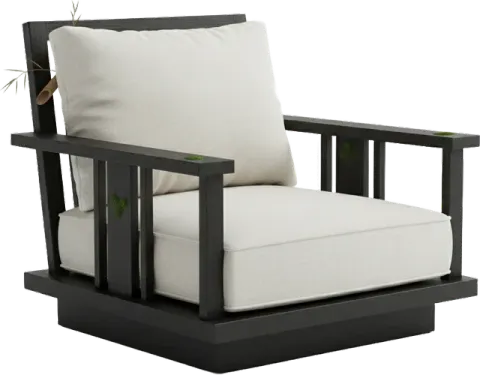 Armchair
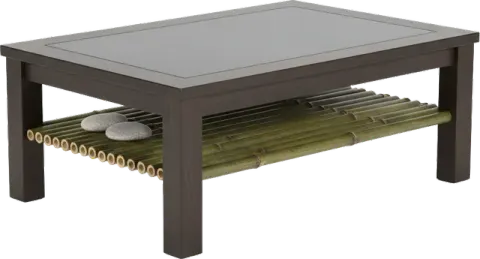 Coffee table
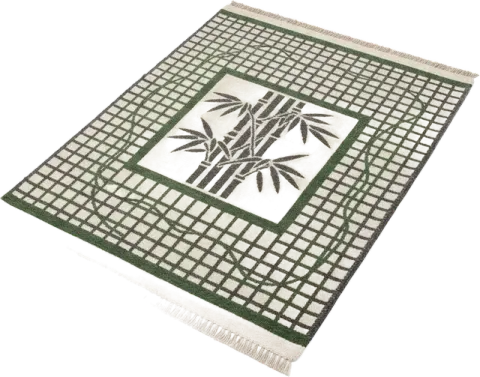 Rug
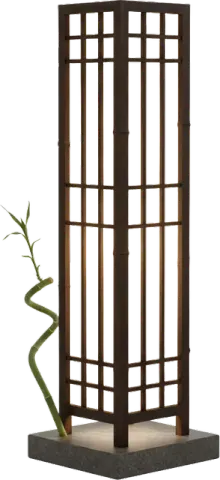 Lamp
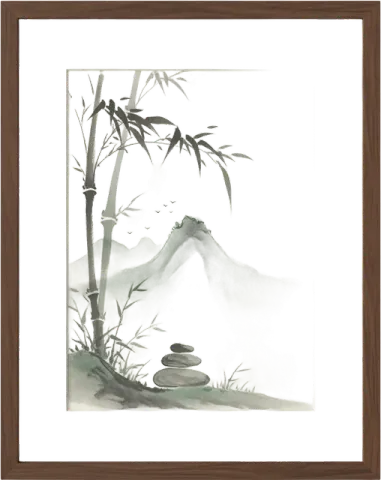 Wall art
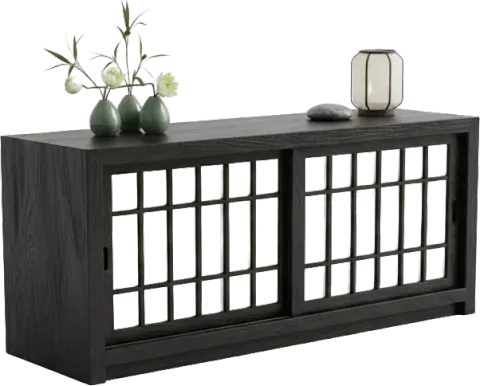 Storage
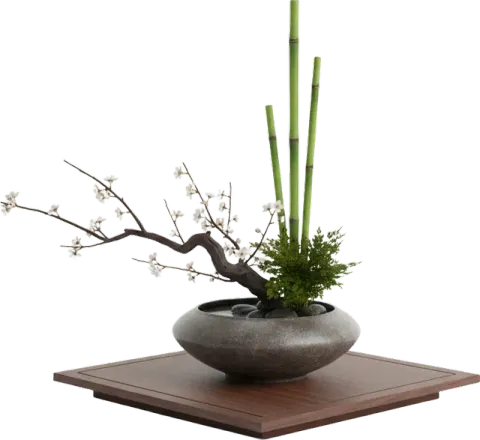 Decor
Drawn for Calm Studio’s moodboards to show the look: they are not products from a shop.
Some homes need, above all, to be a refuge, and Zen style is built for that. It suits people who meditate, read, or simply want one room where the mind can settle, and it stays close to nature even in the middle of a city. Ordered without being strict, it is restful from the first step inside.
What is Asian Zen style?
"Asian Zen" is a decorating label, but the tradition it draws on is mostly Japanese: the traditional house with its tatami-matted rooms, sliding shoji screens of paper on a wooden lattice, a tokonoma alcove for a scroll or flowers, and an engawa, the veranda that opens onto the garden. Zen Buddhism's emphasis on simplicity and attention helped shape these spaces over the centuries, as tea houses and temple gardens show.
The decorating style borrows that order and calm, not the religion. Its essentials are a low, uncluttered room, natural materials, soft light and a strong connection to the garden or to living plants.
The key elements
- Low furniture: floor cushions, low tables, a platform bed.
- Shoji-style screens or panels that diffuse light.
- Tatami-style mats or natural fibre floor coverings.
- Wood, natural or dark-stained, with stone and bamboo.
- A view of greenery, or a carefully placed plant.
- One display spot for a seasonal arrangement.
- Clear floors and surfaces.
Colours
Rice-paper off-white goes on walls and screens. Tatami straw, a soft pale gold, covers the floor, mats and natural rugs. Moss green brings in the garden, through plants, a bonsai or a cushion. Dark timber brown forms the structure: furniture frames, beams, screen lattices. Ink charcoal is the deepest note, in a vase, a lacquered tray or cushions. The palette is quiet and taken from nature.
Materials and textures
Natural wood, such as cedar, cypress or dark-stained oak, left matte. Washi paper in screens and lanterns. Woven rush, the surface of tatami. Bamboo, stone, gravel and clay plaster. Linen and cotton in plain weaves. The textures are calm and fine, nothing loud or shiny.
Furniture and shapes
Furniture is low and sparse: a low sofa on a wooden frame, floor cushions, a low rectangular table, a platform bed or futon. Lines are straight and calm, proportions horizontal. Storage is hidden behind sliding doors. In a bedroom, a low bed with clear space around it is the heart of the look; the bedroom layout guide helps you plan the space.
Lighting
Light is diffused and gentle. Daylight passes through paper screens or sheer blinds; in the evening, paper lanterns on the floor or ceiling, low lamps and candles. Avoid bright overhead lights. Warm bulbs behind paper give the soft glow that defines the style; for where to place each source, see how to light a room.
Decor and accessories
Decoration is minimal and chosen with care: a bonsai or a branch arranged in the manner of ikebana, Japanese flower arranging; a stone or a bowl of moss; a single scroll or ink drawing; a ceramic vase. In a traditional house these are shown in the tokonoma and changed with the seasons, and a single shelf or niche can play that role in your home.
How to bring Zen style into your home
- Clear the floor and every surface, and keep shoes at the door.
- Lower your seating with floor cushions or a low bench.
- Bring nature in: a plant, a branch, a few stones, a view kept clear.
- Soften the light with a paper lantern, or translucent film on a window.
- Swap textiles for plain linen and cotton in natural shades.
- Divide space with a wood-framed paper screen rather than furniture.
- Choose one shelf or niche as your display spot and change it with the seasons.
Mistakes to avoid
- A souvenir mix. Chinese, Thai and Japanese objects thrown together make a theme, not a home.
- Religious objects as ornaments. A Buddha head used as a doorstop or bathroom decoration offends many Buddhists.
- Bamboo and pebbles everywhere. A few natural touches are enough.
- Too dark. Dark timber needs light walls and plenty of daylight.
Asian Zen vs Japandi
| Asian Zen | Japandi | |
|---|---|---|
| Inspiration | The traditional Japanese house | Japanese and Scandinavian homes |
| Height | Floor level: cushions, low tables | Low, but with chairs and sofas |
| Wood | Darker timber | Light oak and ash |
| Signature | Shoji screens, tatami, bonsai | Paper lanterns, spindle chairs |
| Textiles | Few and plain | More: linen throws, wool rugs |
The serenity of a Japanese house is what Asian Zen gives; Japandi adds lighter wood and a more Western kind of comfort.
Frequently asked questions
Is Zen style the same as Japanese style?
Close, but not identical. Japanese interior design includes many traditions; Zen style is the decorating idea of a calm, sparse room drawn mostly from the traditional Japanese house.
How do I make a Zen bedroom?
Choose a low bed, keep the floor clear, use soft paper or linen lamps and natural bedding, add one plant, and keep the television and phones out of sight.
Can I have a Zen room without tatami?
Yes. A natural sisal or wool rug, low furniture, soft light and a plant give the same calm, and a few wabi-sabi touches, handmade ceramics and rough wood, add warmth.
Is Zen decor respectful of Japanese culture?
Borrowing a calm, ordered way of living is widely welcomed. What causes offence is treating sacred objects, such as Buddha statues, as ornaments, or mixing cultures into a caricature, so learn what each thing is for and use it that way.