Calm interior design: colours, materials and how to get the look
Quick answer
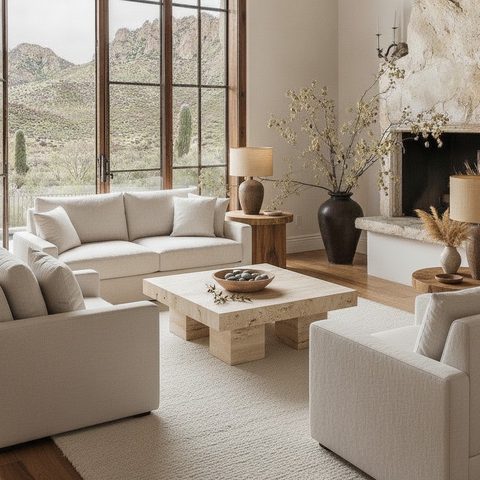
Calm is the house style of Calm Decoration: warm, quiet rooms with a Mediterranean lean. It pairs low, generous seating in natural linen and bouclé with solid olive and oak wood, stone and travertine, handmade ceramics and soft lamp light, in a palette of warm white, sand, clay and stone. Few objects, each one chosen, and plenty of empty space.

By Eduardo, founder of Calm Decoration
The colours of Calm
#f1ebe1#ddcdb4#c4a27c#9a8a73#6f6352
What gives it away
- Linen and bouclé
- Olive wood and oak
- Travertine and stone
- Sand, clay and warm white
- Soft lamp light
Calm rooms
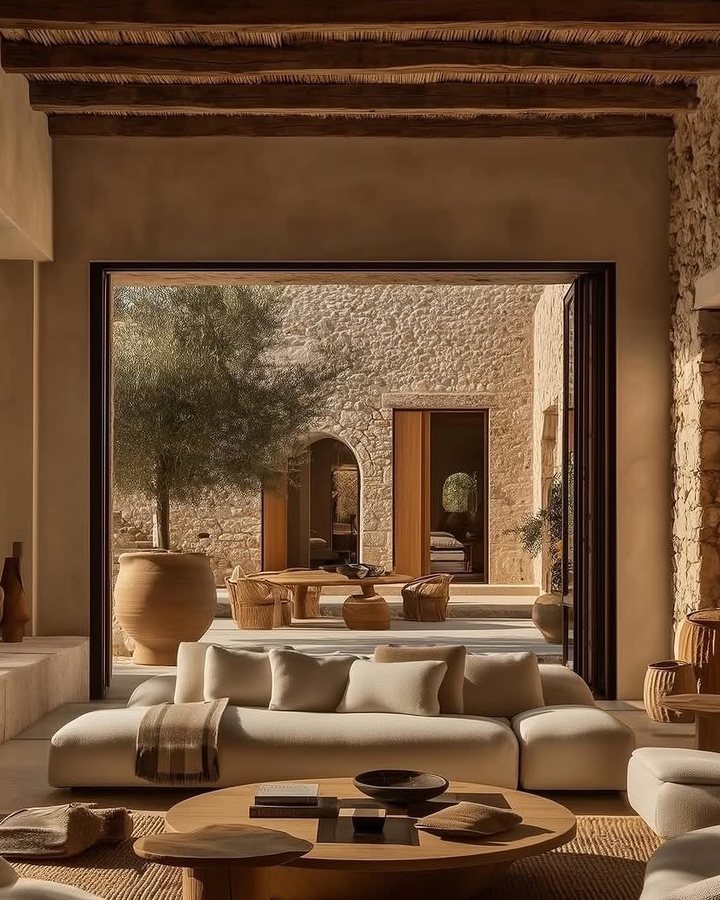
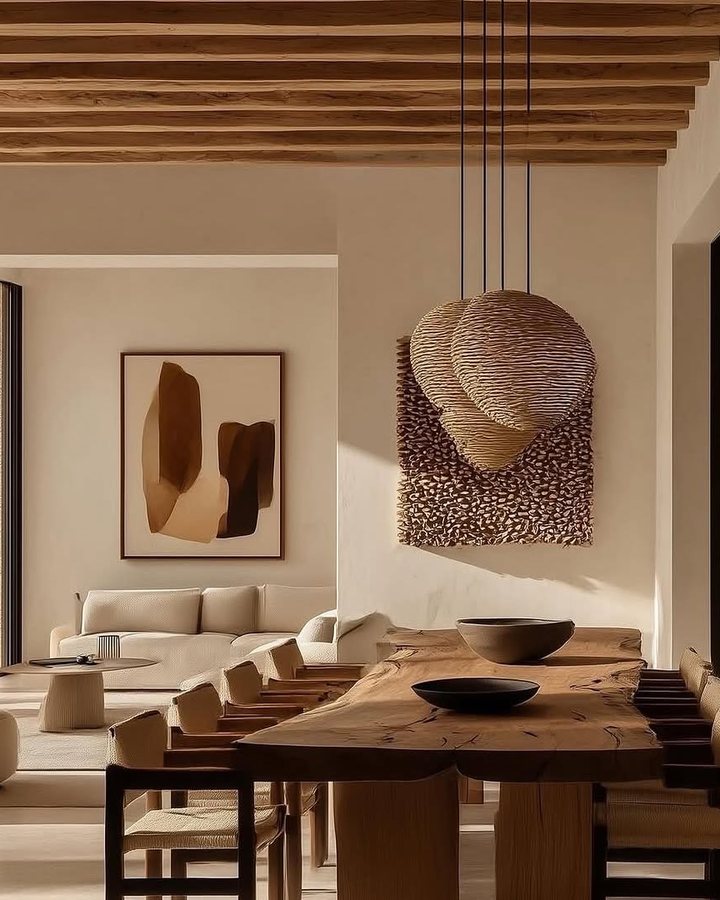
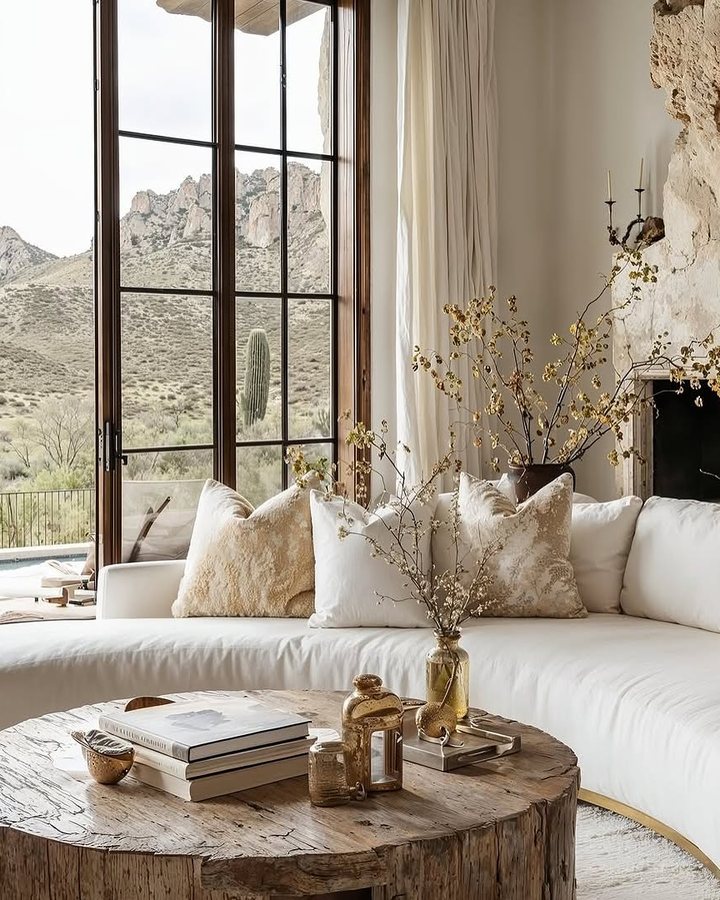
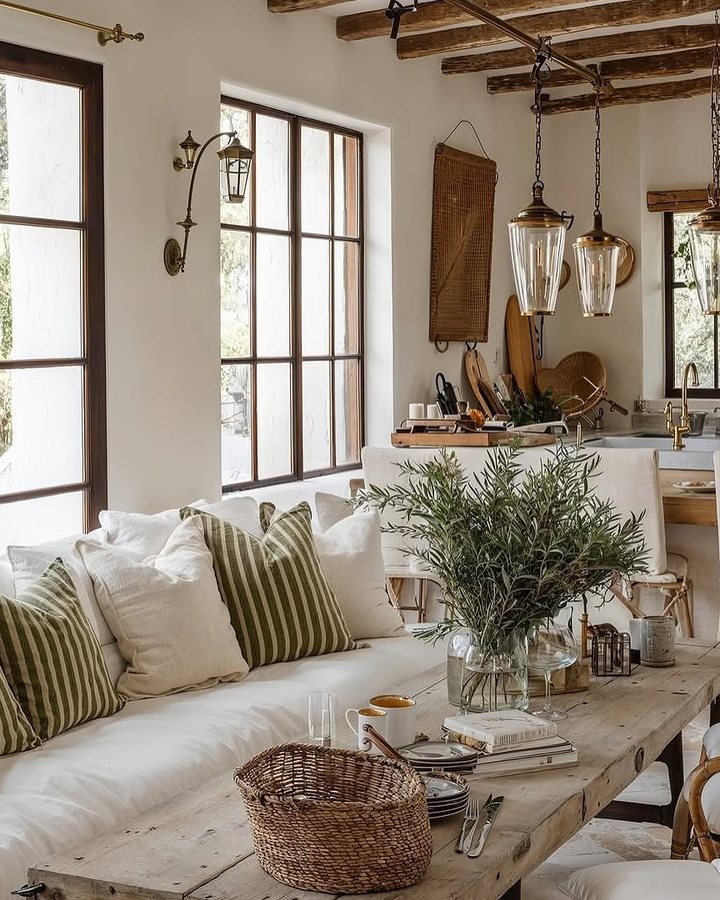
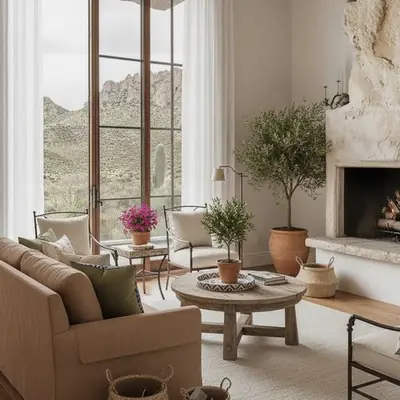
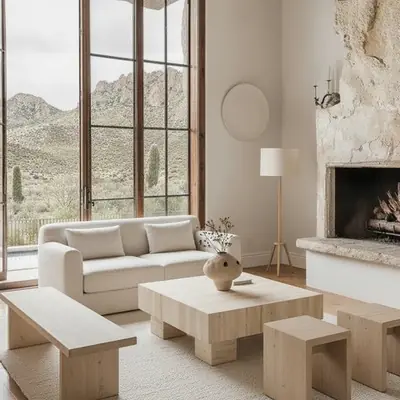
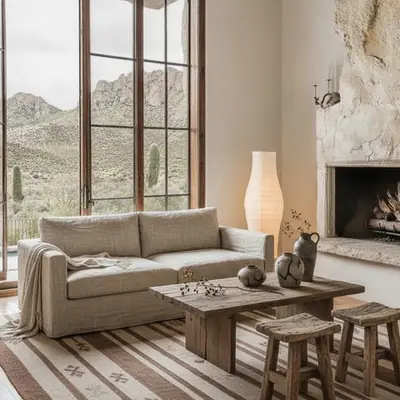
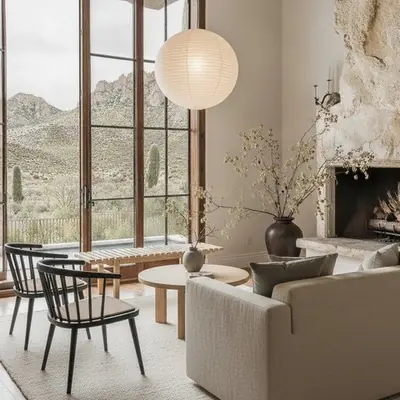
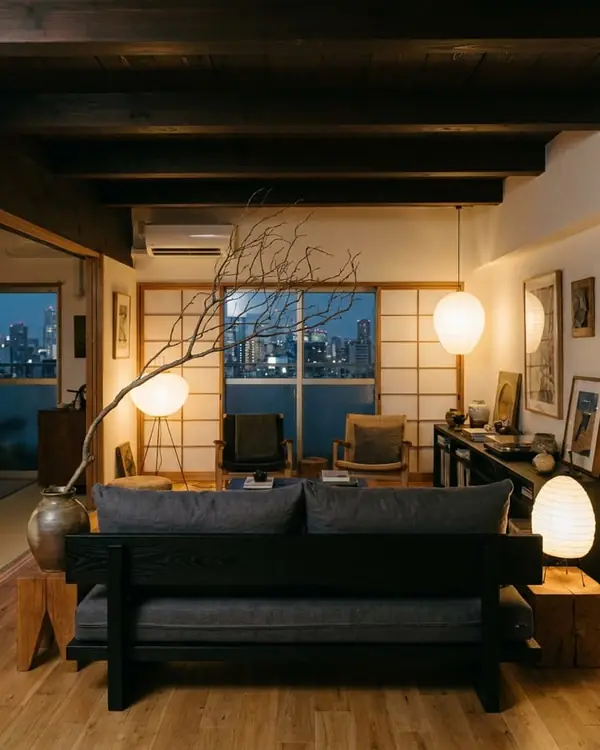
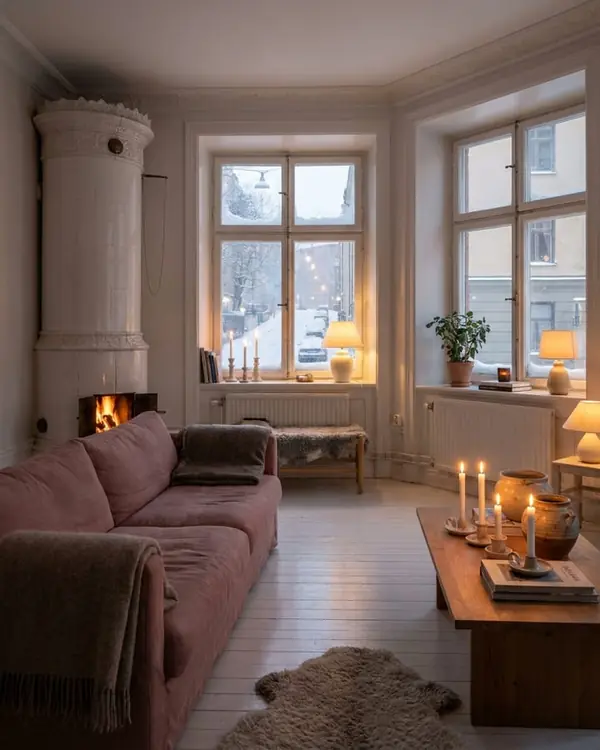
Interiors from Calm Decoration's Instagram.
Pieces in the Calm style
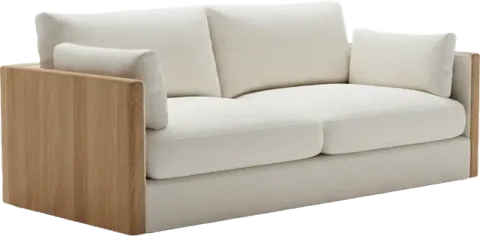 Sofa
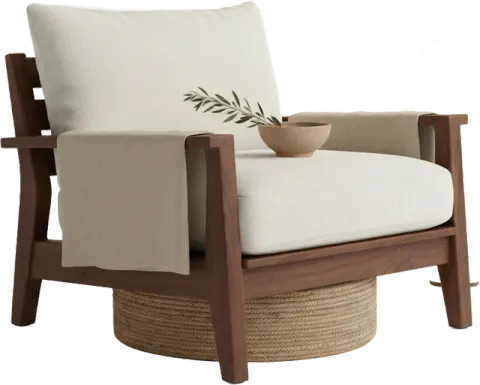 Armchair
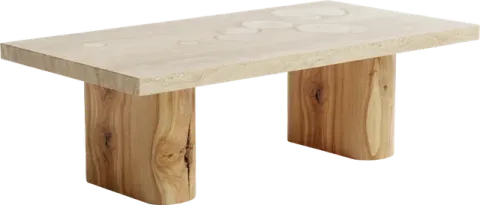 Coffee table
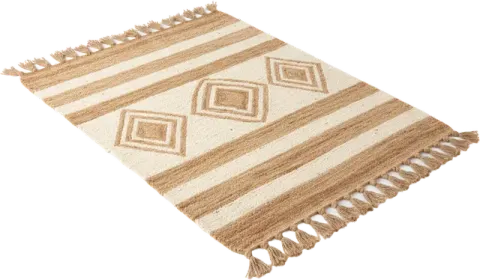 Rug
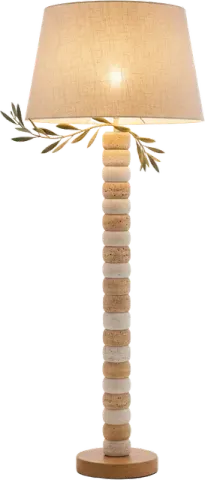 Lamp
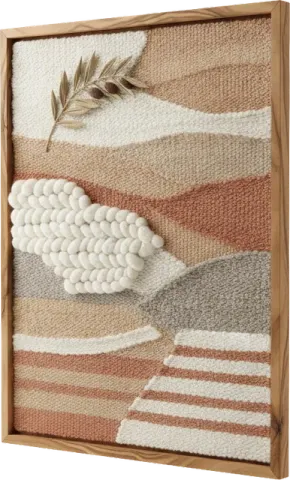 Wall art
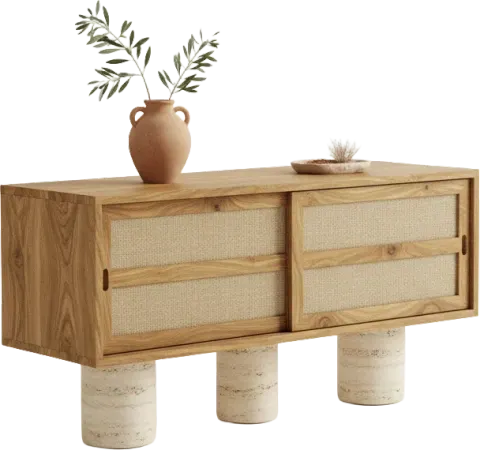 Storage
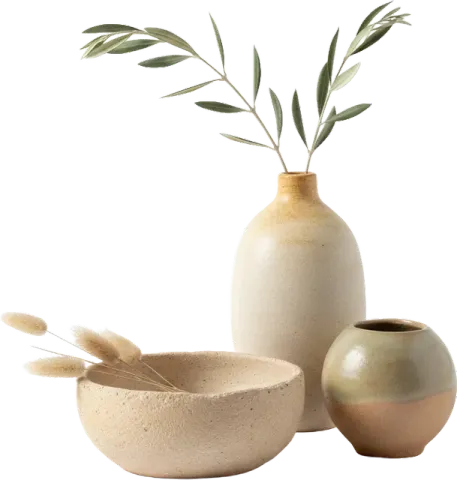 Decor
Drawn for Calm Studio’s moodboards to show the look: they are not products from a shop.
Some rooms ask you to do something; a Calm room asks you to sit down. It is the look of the rooms Calm Decoration shares on Instagram, and the one I come back to whenever a home feels busy. If you come home wanting the noise to stop, this is your style: nothing shouts, yet nothing feels bare, because every surface gives you something to touch.
What is Calm style?
Calm is Calm Decoration's own house style, not a historical movement. It borrows the warmth of the Mediterranean (sun-faded colour, stone, olive wood) and the restraint of warm minimalism, which keeps the room uncluttered.
What defines it is a feeling more than a rule: a room that slows you down. In practice that means low, generous seating, natural materials left close to how they were found, no bright colour, and light from lamps rather than the ceiling.
The key elements
- Low, deep seating in linen or off-white bouclé.
- Solid olive, oak or walnut, oiled rather than lacquered.
- Stone and travertine, often as one heavy piece such as a coffee table.
- Handmade ceramics with uneven rims and matte glazes.
- A jute or wool rug in sand tones, large enough to hold all the seating.
- Lamps instead of overhead light, and a branch of olive or dried grasses.
Colours
The palette is five quiet neighbours: a chalky warm white, sand, a soft clay, a warm stone grey and a deep earthy taupe close to the colour of old olive wood. Warm white goes on the walls and the largest pieces, usually the sofa. Sand and clay belong to the rug, cushions and ceramics. Stone grey comes from the stone itself, a fireplace or a table top, and the deep taupe is kept for small anchors: a stool, a lamp base, the frame of a chair. With no bright colour at all, contrast comes from texture and from light and shade.
Materials and textures
Linen does most of the work, on the sofa, at the windows and on the bed, washed so that it creases softly. Bouclé adds a nubbly warmth on one chair or a pair of cushions. Wood is solid with its grain on show: olive wood for bowls and boards, oak or walnut for tables and stools. Stone arrives as travertine, limestone or a rough plastered wall. The room looks plain from the door and rich from the sofa.
Furniture and shapes
The sofa sits low with deep seats and wide arms; armchairs are rounded and wide enough to curl up in. Coffee tables are heavy and simple, a block of travertine or a thick slab of oak. Legs are short or hidden, so pieces seem to rest on the floor, and fewer, larger pieces suit the style far better than many small ones.
Lighting
Calm rooms are lit at sitting height: table lamps with ceramic or wooden bases and linen shades, a floor lamp beside the reading chair, candles in the evening. Bulbs are warm, around 2,700 K, on dimmers where possible. The lighting guide explains the layers that stop a lamp-lit room from feeling gloomy.
Decor and accessories
Accessories are few and tactile: a large earthenware vase with one branch, a wooden bowl, two or three books, a linen throw over an arm. Art is quiet, a single large piece in a pale frame, or none at all where a plastered wall has texture of its own. Group objects on one surface and leave the next one bare.
How to bring Calm into your home
- Take everything off your surfaces, then put back only what you love or use every day. It costs nothing and is half the look.
- Change the bulbs to warm white and move a lamp next to the sofa.
- Swap synthetic cushion covers and curtains for linen in white, sand or clay.
- Add a large jute or wool rug that the front legs of every seat can rest on.
- Replace one glossy piece with something solid and natural: an oak stool, a stone side table, a ceramic lamp.
- Paint the walls a warm white with a hint of sand, or limewash one wall for texture.
Mistakes to avoid
- Cool whites and greys. A blue-white wall or a grey sofa turns the room cold.
- Lots of small things. Ten little ceramics read as clutter; two large ones read as calm.
- Shiny finishes. Gloss paint, lacquer and chrome fight the matte, natural feel.
- One overhead light. It flattens the texture this style relies on.
Calm vs Mediterranean
| Calm | Mediterranean | |
|---|---|---|
| Colour | Warm white, sand, clay, stone | White and terracotta with olive green, cobalt or ochre |
| Pattern | Almost none | Hand-painted tiles, stripes, patterned ceramics |
| Furniture | Low, deep, upholstered in linen and bouclé | Rattan, wrought iron, rustic wooden tables |
| Mood | Quiet and slow | Sunny, lively and relaxed |
If you want the warmth of the south without its colour and bustle, Calm is the one; if you want the patterned tiles and the plants too, go Mediterranean.
Frequently asked questions
Is Calm the same as warm minimalism?
They are close cousins. Warm minimalism is sparer and more architectural; Calm allows more softness, more linen and a few more handmade objects, and it leans towards the Mediterranean.
Does Calm work in a small flat?
Yes, and it often helps: a light palette, fewer objects and low furniture make a small room feel larger.
Can I add colour to a Calm room?
A little, if it is earthy and muted: olive green from plants, terracotta from a pot, the brown of old wood. Bright, saturated colour breaks the mood.
How do I know if Calm is my style?
Take the free style quiz: tap the rooms you would love to live in, and it tells you which styles you lean towards. To see Calm in your own room first, Calm Studio can restyle a photo of it.