Victorian interior design: colours, materials and how to get the look
Quick answer
Victorian interior design is the decorating of Queen Victoria's reign (1837 to 1901): richly patterned and flocked wallpapers, carved dark wood, deep-buttoned velvet, cast-iron fireplaces with tiled panels, fringed lamps, Turkish and Persian rugs and potted ferns, in deep reds, greens and golds. Rooms were full and layered, and today the style works best when its richness is kept but its clutter is edited.

By Eduardo, founder of Calm Decoration
The colours of Victorian
#d9c7a5#b08d57#7a1f2b#2f4a35#3a2418
What gives it away
- Patterned wallpaper
- Carved dark wood
- Tufted velvet
- Tiled fireplaces
- Deep red, green and gold
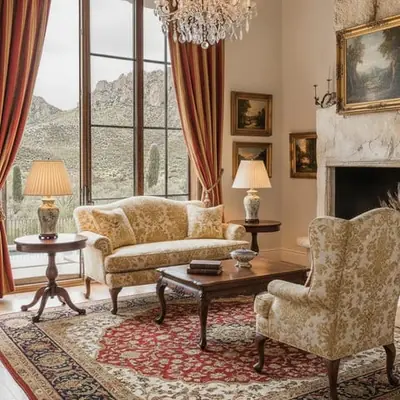
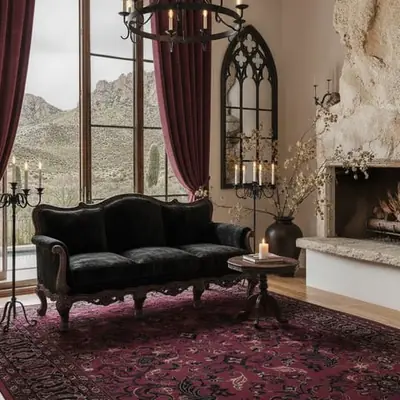
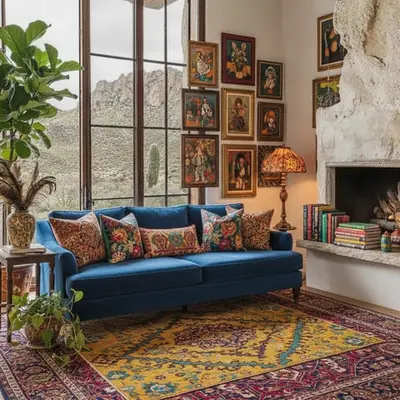
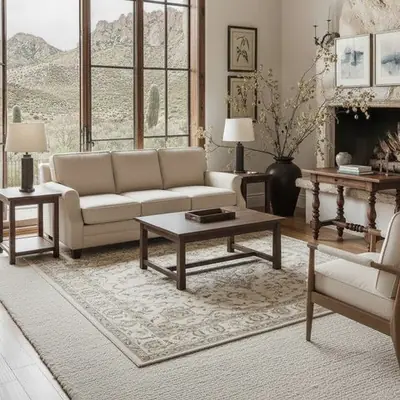
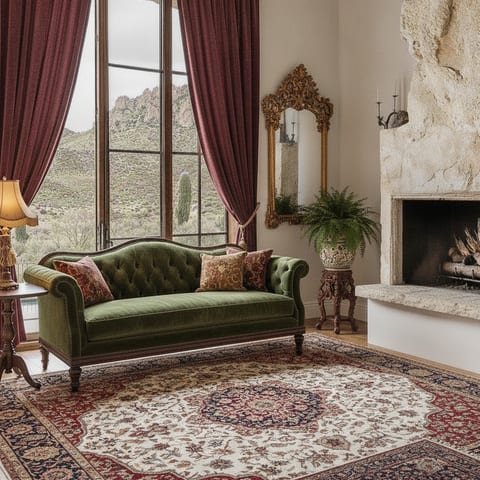
Victorian rooms
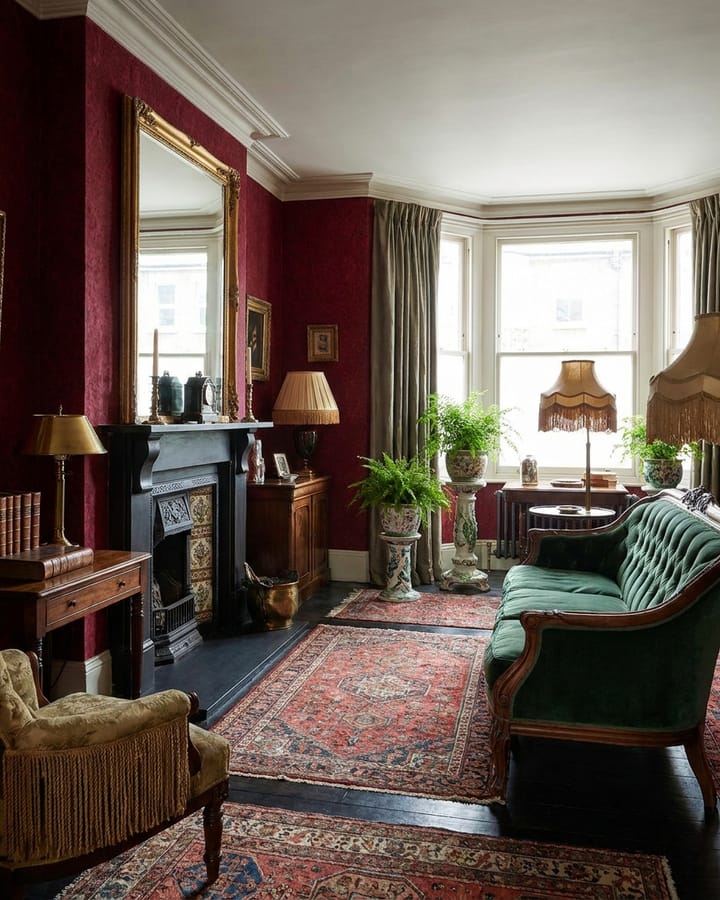
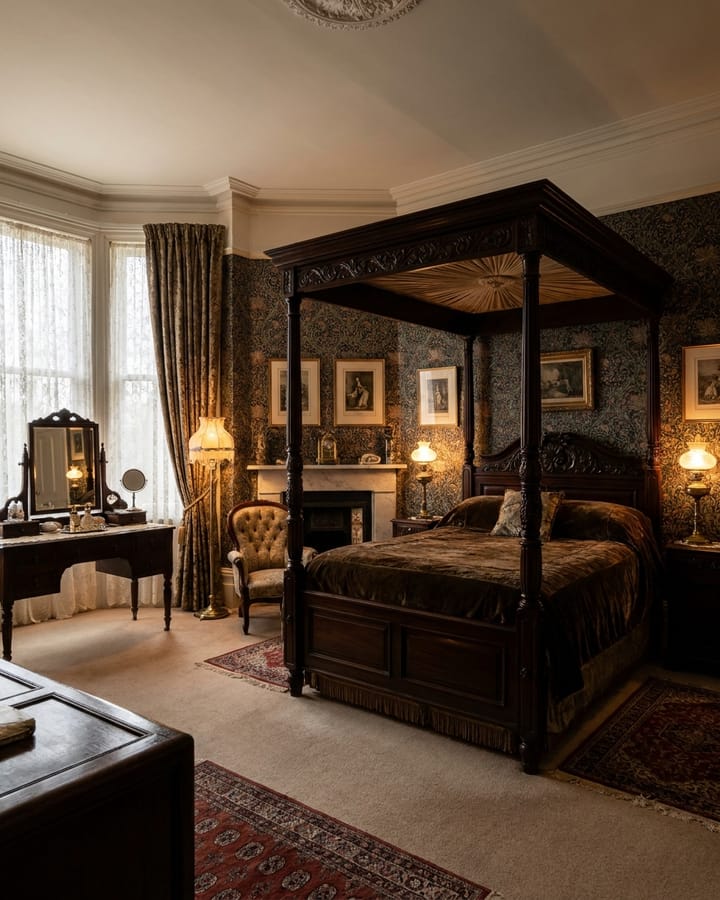
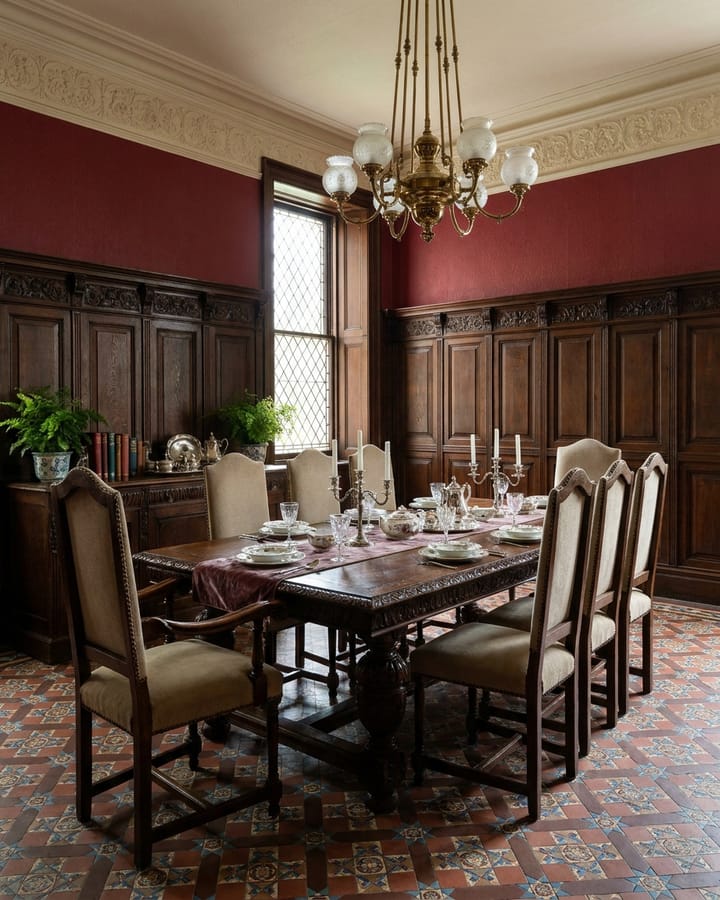
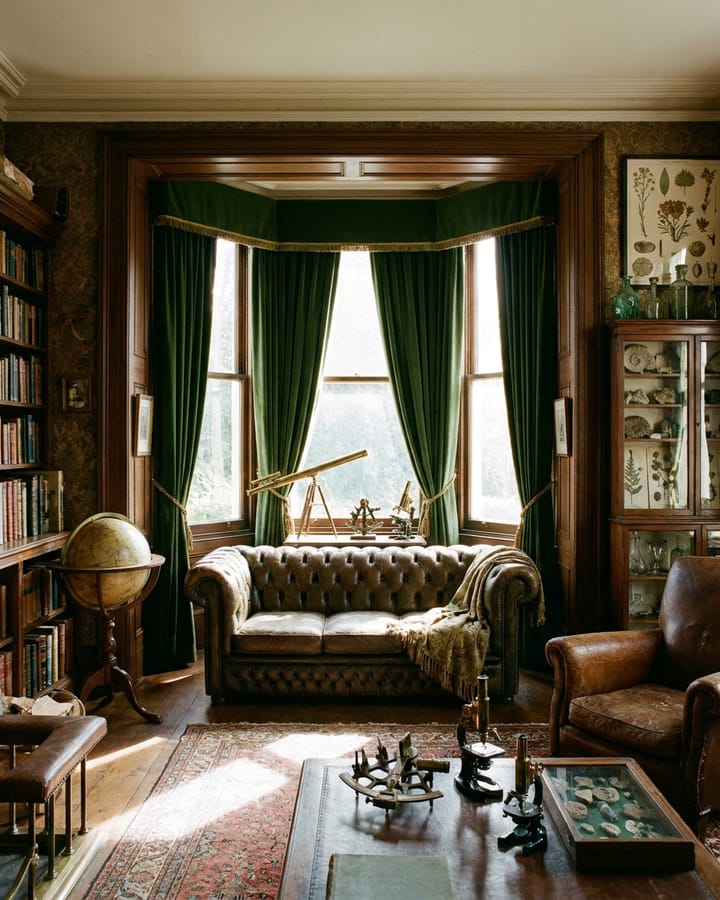
Pictures made for Find my style, our style quiz, to show the look. They are not photographs of real homes.
Pieces in the Victorian style
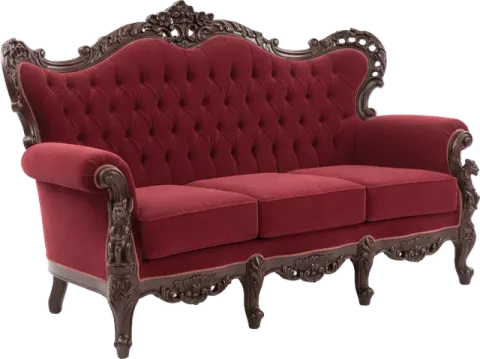 Sofa
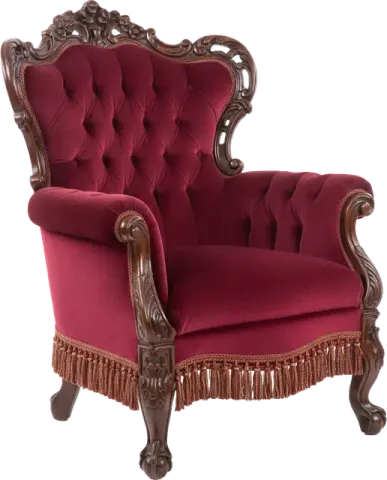 Armchair
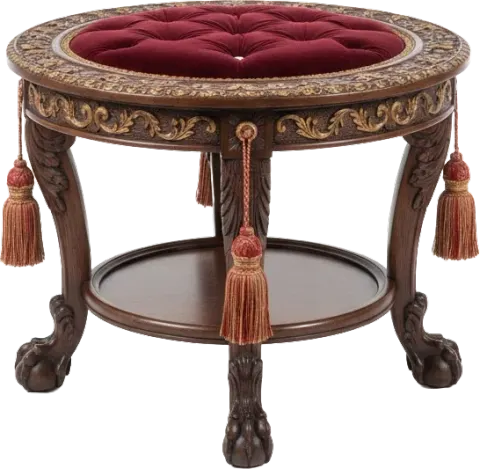 Coffee table
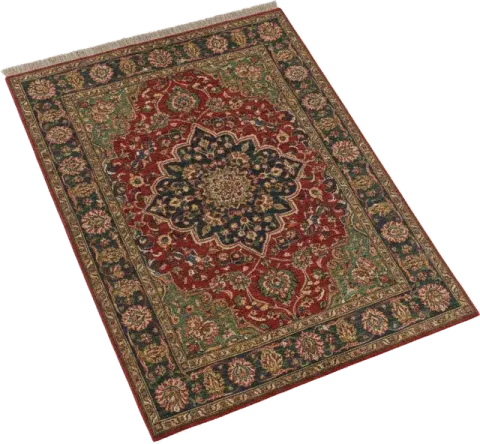 Rug
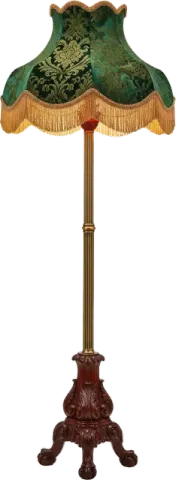 Lamp
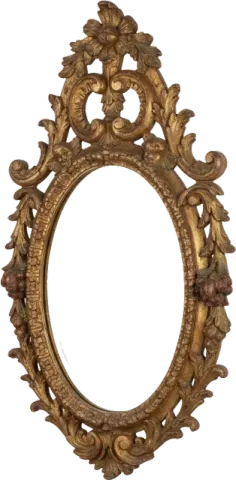 Wall art
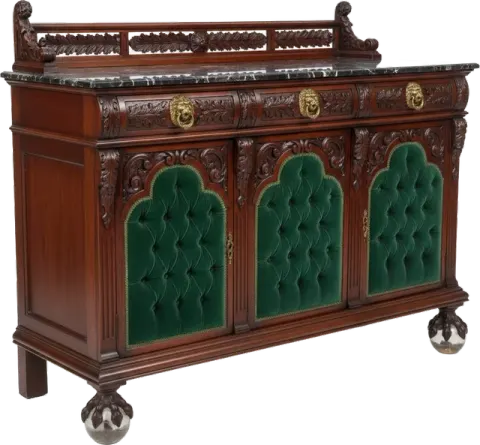 Storage
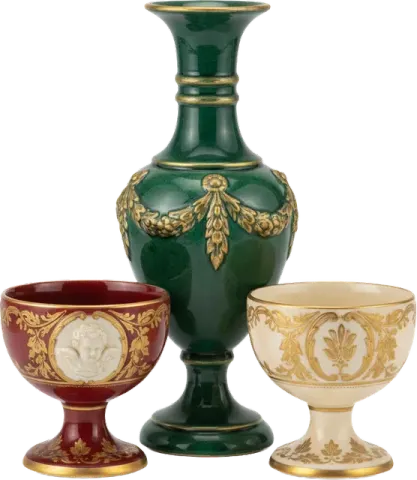 Decor
Drawn for Calm Studio’s moodboards to show the look: they are not products from a shop.
Maybe you live in a terraced house with a ceiling rose and a tiled hall; maybe you simply love deep colour, carved wood and pattern. Either way, Victorian style rewards every detail you give it. It is rich and romantic, and on a winter evening wonderfully snug.
What is Victorian style?
It is the look of Britain during the reign of Queen Victoria, from 1837 to 1901, a period long enough to hold several fashions. Industry made wallpaper, printed fabrics and furniture affordable to a growing middle class, and homes filled with them. In the second half of the reign, William Morris and the Arts and Crafts movement pushed back against mass production with hand-crafted furniture and patterns drawn from nature. The Gothic Revival was fashionable too, and its pointed arches still inspire gothic rooms today.
The architecture defines the shell: high ceilings, plaster cornices and ceiling roses, sash windows, picture rails, and walls often divided into dado, filling and frieze. Pattern on walls and floors, and dark wood, are what make a room read as Victorian.
The key elements
- Patterned, flocked or embossed wallpapers
- Dark carved wood: mahogany, walnut, rosewood
- Deep-buttoned velvet sofas and chairs
- Cast-iron fireplaces with decorative tiles
- Fringed and tasselled lampshades
- Turkish and Persian rugs
- Ferns and palms on plant stands
- Heavy curtains, often layered over lace
Colours
The Victorian palette is deep and warm: oxblood or claret red, bottle green and dark mahogany brown, lit by old gold and set against a parchment or biscuit colour. Use the deep shades on the lower wall, upholstery and curtains, and the lighter parchment on the upper wall and ceiling so the room still has some lift. A green velvet sofa on a red patterned rug is pure Victorian.
Materials and textures
Velvet, plush, brocade and damask; leather on library chairs; lace at the windows; carved mahogany and walnut; marble for mantels and wash stands; cast iron and brass; encaustic floor tiles in the hall. Embossed wallcoverings such as Lincrusta give a raised pattern that can be painted.
Furniture and shapes
Curving, carved and upholstered: the buttoned chaise longue, the balloon-back dining chair, a button-back armchair, a camelback or Chesterfield sofa, a round pedestal table with a cloth, a glass-fronted cabinet, and a tall gilt mirror over the mantel. Small occasional tables, footstools and plant stands fill the spaces between.
Lighting
Victorian homes were lit by candles, oil lamps and, increasingly, gas, so their light was low and warm. Recreate it with table lamps with fringed silk or glass shades, brass wall sconces, a glass-shaded pendant or a modest chandelier, and candles on the mantel. Warm bulbs on dimmers keep the deep colours glowing.
Decor and accessories
Ferns, aspidistras and palms (the Victorians were so fond of ferns that the craze had a name, pteridomania), gilt mirrors, oil portraits and landscapes, glass domes over curiosities, mantel clocks, embroidered cushions and plenty of books. The lace cloths draped over chair backs were called antimacassars, after the macassar oil men used on their hair.
How to bring Victorian style into your home
- Keep and repair any original features: cornices, ceiling roses, tiles, fireplaces and sash windows are worth far more than new furniture.
- Paint or paper one wall in a deep colour or a Morris-style pattern.
- Lay a Persian or Turkish-style rug, second-hand if you can.
- Swap a plain lampshade for a fringed or pleated one, and add a second lamp.
- Look for buttoned or carved chairs at auctions and second-hand shops, where Victorian furniture is plentiful.
- Group plants, especially ferns, on a stand by the window.
- Hang a gilt mirror over the mantel and frame a few old prints.
There are more ways to that enveloping warmth in how to make a room feel cosy.
Mistakes to avoid
- Removing period features to "modernise", then trying to add them back in reproduction.
- Clutter on every surface: the Victorians filled rooms; you can edit.
- Cool white light, which kills deep reds and greens.
- Too many patterns of the same scale fighting each other.
- Making every room a museum: a modern sofa in a Victorian room is perfectly at home.
Victorian vs Traditional
| Aspect | Victorian | Traditional |
|---|---|---|
| Period | 1837 to 1901 | Mostly 18th and 19th-century shapes |
| Walls | Patterned, flocked or embossed paper | Plain cream or simple panelling |
| Furniture | Deep-buttoned, carved, curvy | Tailored, symmetrical, polished |
| Amount | Full and layered | Ordered and balanced |
| Mood | Romantic and opulent | Formal and calm |
Pattern, plush and romance point to Victorian, while classic furniture with more order and plainer walls points to traditional.
Frequently asked questions
What colours did the Victorians use?
Deep, warm colours were popular: claret red, bottle green, brown and gold, with lighter stone and parchment shades for upper walls and ceilings.
Can I decorate a Victorian house in a modern style?
Yes. Many Victorian homes today keep their original features and add modern furniture; the high ceilings and proportions suit both.
What is the difference between Victorian and Edwardian style?
Edwardian rooms, from 1901 into the 1910s, were generally lighter, with paler colours, less clutter and simpler furniture than the Victorian rooms before them.