Traditional interior design: colours, materials and how to get the look
Quick answer
Traditional interior design is the classic English and American drawing-room look, drawn from 18th and 19th-century furniture and country houses: carved mahogany, wing chairs and camelback sofas, chintz and damask, Persian rugs, oil paintings in gilded frames, crystal chandeliers and full, heavy curtains. Rooms are symmetrical and arranged around a fireplace, and the palette is rich: cream, claret red, hunter green and gold.

By Eduardo, founder of Calm Decoration
The colours of Traditional
#f1e7d0#c9a24a#8c2f2f#2f5a3d#4a2c1d
What gives it away
- Mahogany and carved wood
- Chintz and damask
- Gilded frames
- Persian rugs
- Crystal chandeliers
Traditional rooms
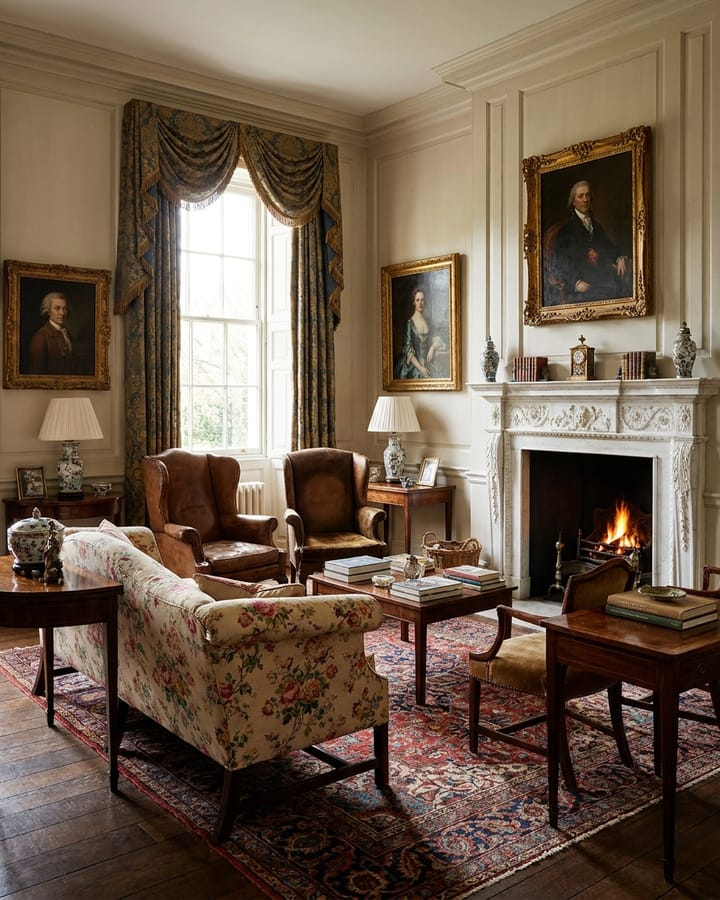
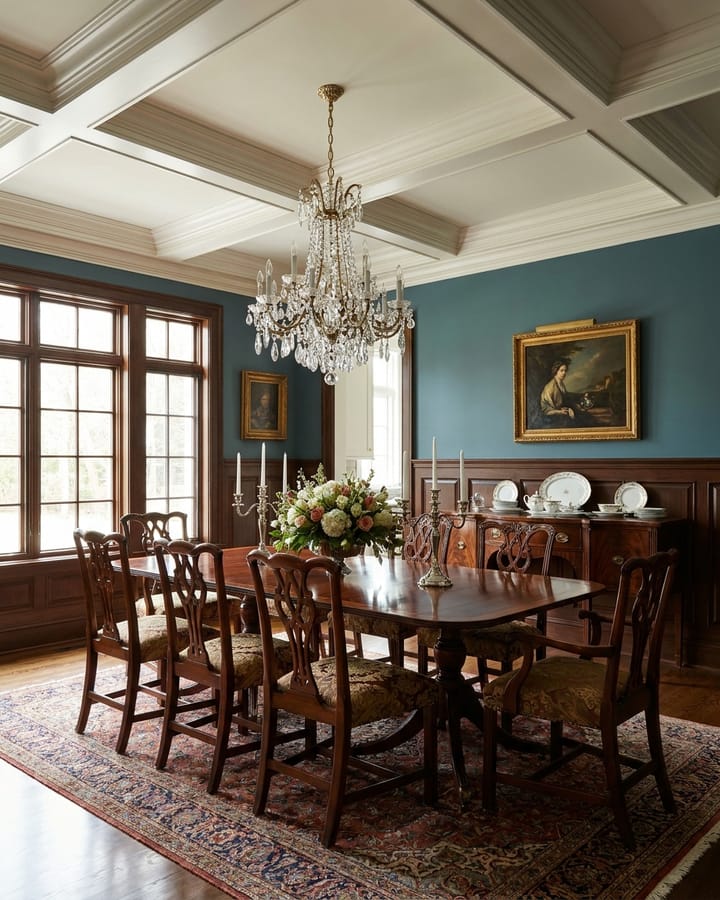
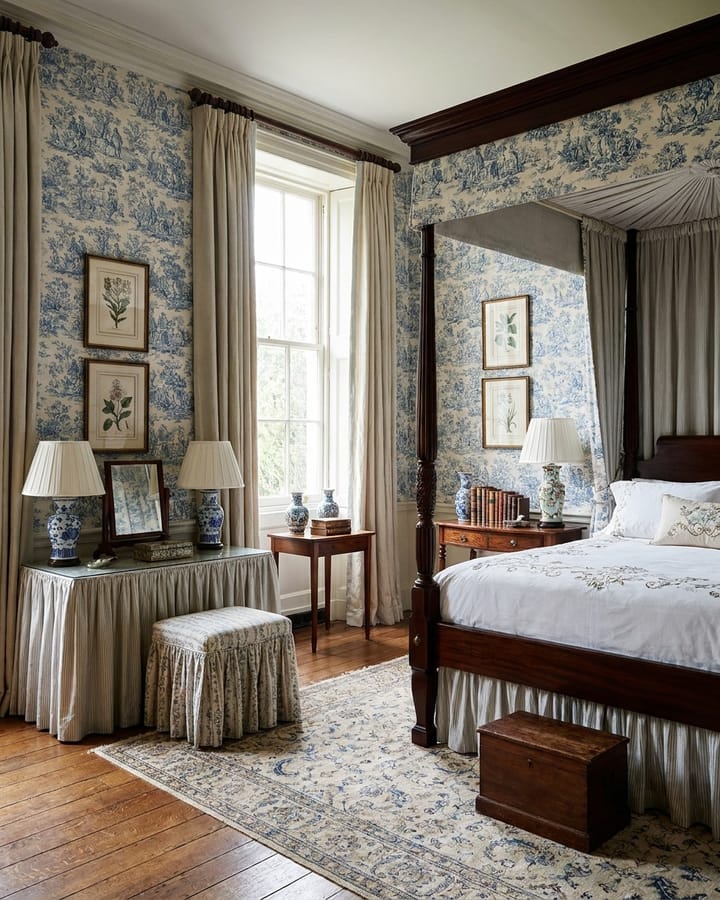
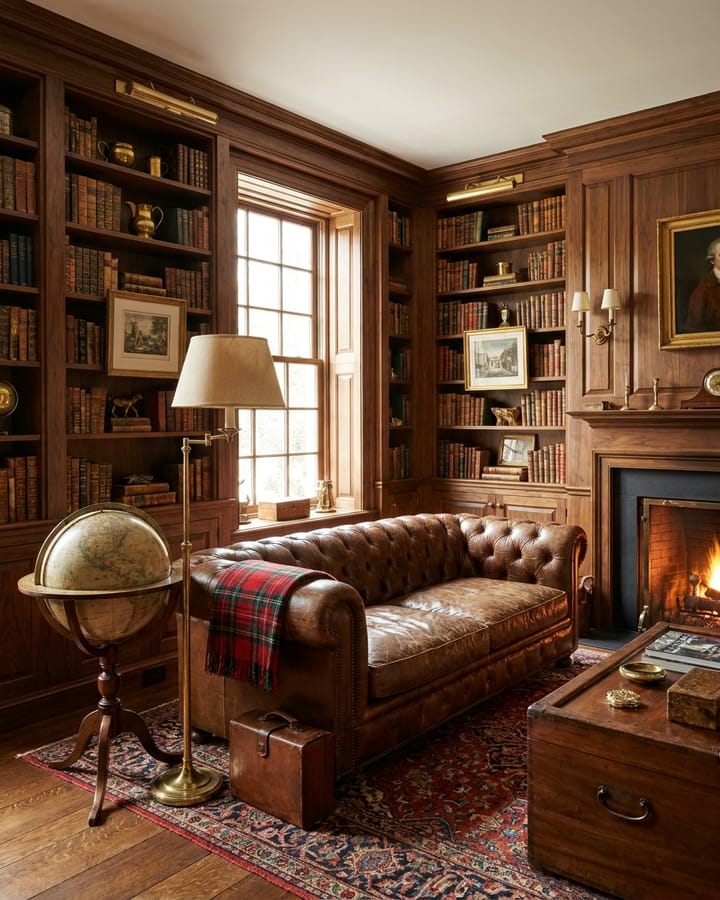
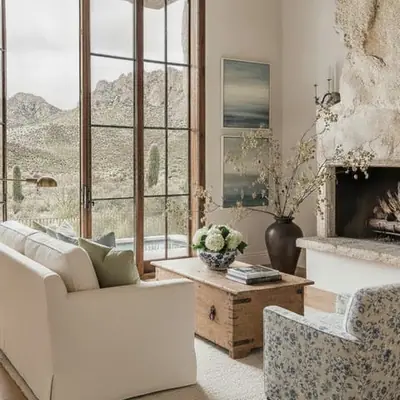
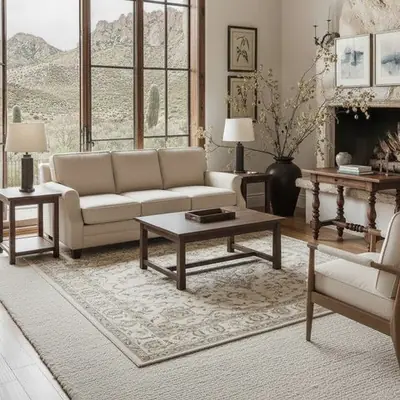
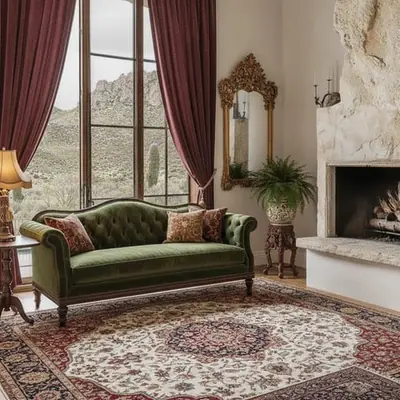
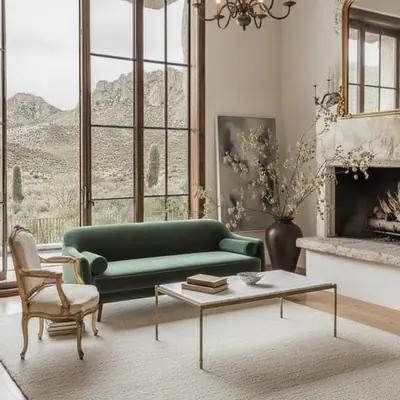
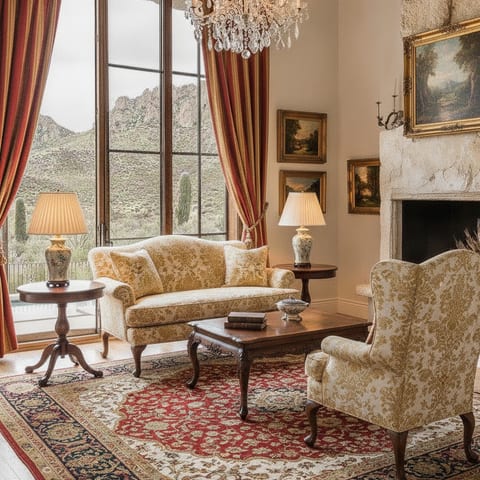
Pictures made for Find my style, our style quiz, to show the look. They are not photographs of real homes.
Pieces in the Traditional style
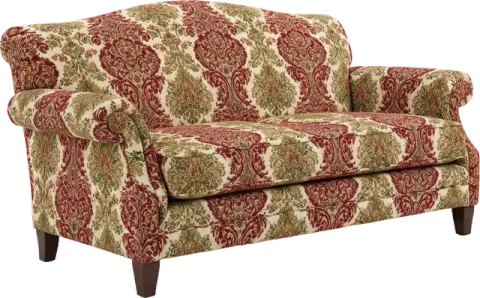 Sofa
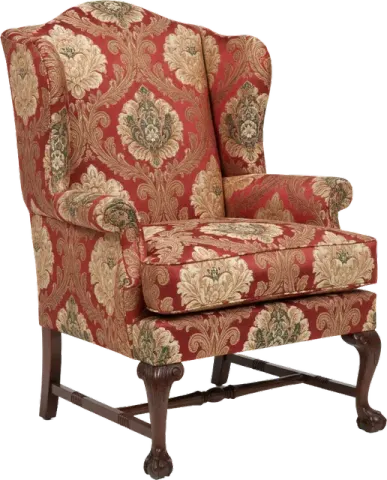 Armchair
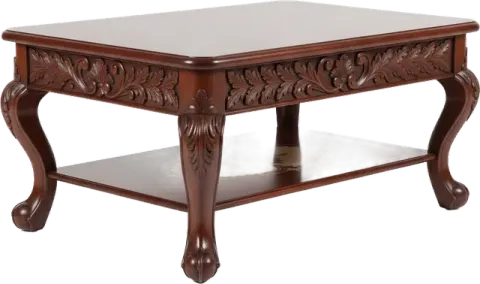 Coffee table
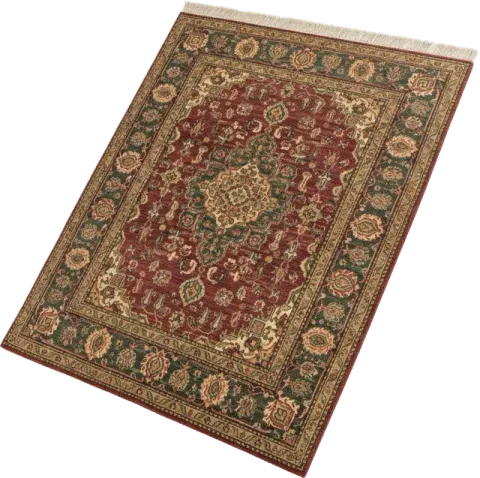 Rug
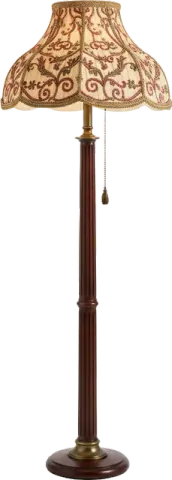 Lamp
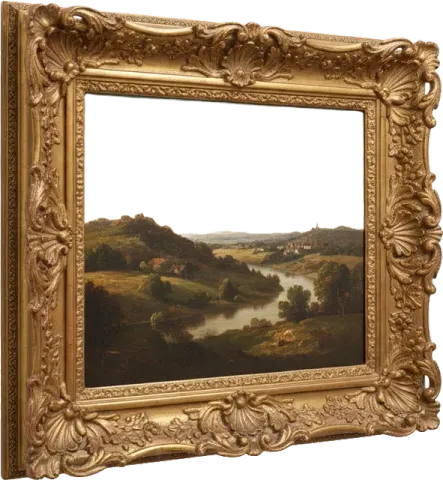 Wall art
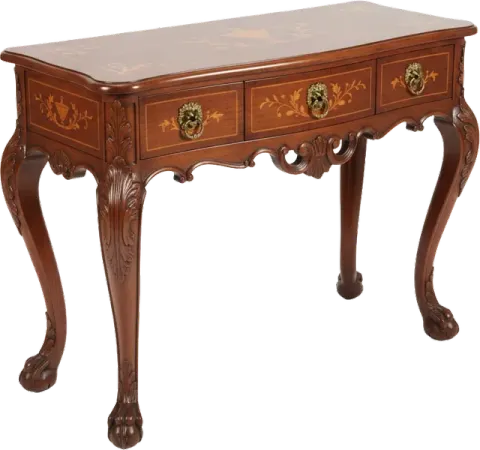 Storage
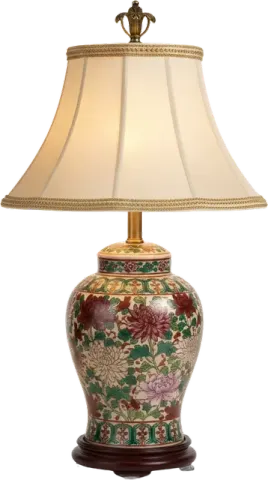 Decor
Drawn for Calm Studio’s moodboards to show the look: they are not products from a shop.
Traditional rooms look as if they have been loved for generations and will be for several more. Polished wood glows in the firelight, oil paintings hang in gilt frames and a pair of lamps stands either side of the sofa. The style suits anyone who likes a room to feel ordered and permanent: formal in its bones, deeply comfortable in its chairs.
What is traditional style?
Traditional design takes its shapes from 18th and 19th-century English and European furniture and from the drawing rooms of country houses. Queen Anne cabriole legs, Chippendale-style carving with claw-and-ball feet, Georgian proportions and Regency stripes all belong to it, along with the American versions of the same pieces.
What holds it together is order. Furniture is arranged symmetrically around a focal point, usually the fireplace, pieces come in pairs, and nothing is left to chance. The rich materials and pattern are kept calm by that structure.
The key elements
- Symmetry: pairs of lamps, chairs and pictures around a fireplace
- Dark polished wood: mahogany, walnut, cherry
- Classic upholstered shapes: camelback sofa, wing chair, Chesterfield
- Chintz, damask, brocade and tapestry fabrics
- Persian and oriental rugs
- Oil paintings in gilded frames
- Crystal or brass chandeliers
- Full-length curtains with trims, tiebacks or pelmets
Colours
The palette is warm and saturated: cream or parchment on the walls, deep claret red and hunter green in fabrics and rugs, mahogany brown in the wood and antique gold in frames and trims. A classic proportion to follow is the designer's 60-30-10 rule of thumb: about 60% of the room in the main colour (cream walls), 30% in a second (red or green upholstery and rug) and 10% in an accent (gold).
Materials and textures
Polished hardwood is the foundation, ideally with the soft sheen that comes from years of wax. Add silk and wool damask, chintz (the glazed floral cotton that first came to Europe from India), velvet, needlepoint and leather. Marble for the fireplace and table tops, brass for hardware, crystal for light, and porcelain on the mantel.
Furniture and shapes
Curves and carving: the camelback sofa with its rising back, the wing chair designed to keep draughts off by the fire, a Chesterfield in leather, a pedestal or tripod side table, a mahogany coffee table on cabriole legs. Add a secretary desk or a glass-fronted cabinet for porcelain, and a pair of matching armchairs facing each other across the hearth.
Lighting
A crystal chandelier gives the room its centre, but the evening light comes from table lamps: pairs of ceramic or ginger-jar bases with pleated or bell-shaped fabric shades on side tables either side of the sofa. Brass picture lights over oil paintings and candle-style wall sconces complete the layers.
Decor and accessories
Landscapes and portraits in gilt frames, a gilded mirror above the mantel, blue-and-white or floral porcelain, a carriage clock, leather-bound books, silver photo frames and fresh flowers in a cut-glass vase. Curtains are part of the decor: hang them high and full, and let them just touch the floor. The curtain height guide gives the measurements.
How to bring traditional style into your home
- Find your focal point (a fireplace, a large window or a painting) and arrange seating symmetrically around it.
- Put matching lamps on either side of the sofa; it is the quickest way to make a room look traditional.
- Lay a Persian or oriental-style rug large enough for the front legs of every seat to rest on it.
- Hang curtains floor-length and full, in damask, velvet or a classic stripe.
- Look for second-hand brown furniture: solid antique and vintage wood pieces are often more affordable than new.
- Gather framed paintings and hang them in symmetrical groups.
- Add a gilt mirror over the mantel and a pair of objects either side of it.
Mistakes to avoid
- Everything from one matching furniture set, which looks like a showroom rather than a home.
- Small rugs floating in the middle of the floor.
- Curtains hung just above the window and stopping short of the floor.
- Too many reproduction pieces with a shiny, sprayed finish; one real antique does more.
- Forgetting comfort: a traditional room should still invite you to sit down.
Traditional vs New traditional
| Aspect | Traditional | New traditional |
|---|---|---|
| Colours | Rich claret, hunter green, gold | Soft sage, powder blue, white, navy |
| Fabrics | Chintz, damask, velvet | Linen, cotton stripes, a few florals |
| Rugs | Persian and oriental | Sisal and jute, sometimes layered |
| Art | Oil paintings in gilt frames | Antiques mixed with modern art |
| Feeling | Formal and rich | Fresh and relaxed |
If you want the full richness of a country-house drawing room, choose traditional; if you love the shapes but want lighter colours and less formality, new traditional or the even simpler Classic will suit you better.
Frequently asked questions
Is traditional interior design old-fashioned?
It draws on the past, but a well-made traditional room does not date, because it is not tied to the trend of a single decade. Fresh flowers, good lighting and a few personal pieces keep it from feeling like a museum.
Can I mix traditional and modern furniture?
Yes. A modern sofa in a traditional room, or one antique chest in a modern one, works well when the colours link them; the result is often called transitional or new traditional.
What wood is used in traditional furniture?
Mostly dark, polished hardwoods: mahogany, walnut and cherry, with oak in more country-house pieces.