Organic modern interiors: colours, materials and how to get the look
Quick answer
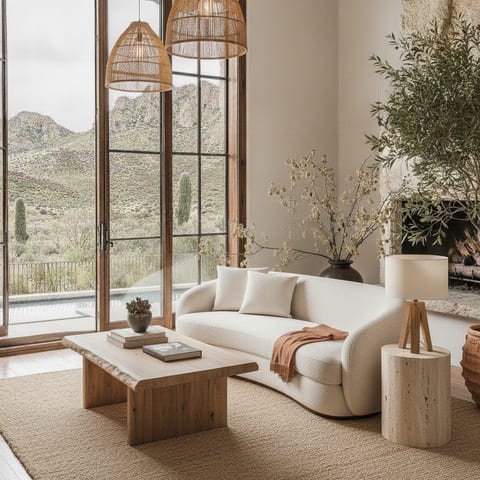
Organic modern is a modern style softened by nature: curved sofas in cream bouclé, chunky wood with its grain on show, travertine and stone, rattan and jute, big plants in clay pots and earthy accents such as terracotta and olive. The lines stay clean and the room uncluttered, but nothing feels cold, because every material comes from nature.

By Eduardo, founder of Calm Decoration
The colours of Organic modern
#f3eee6#e2d3bd#c79b72#b5653f#6c7a58
What gives it away
- Curved, soft shapes
- Live-edge wood and travertine
- Bouclé, linen and jute
- Big plants
- Cream, oak and terracotta
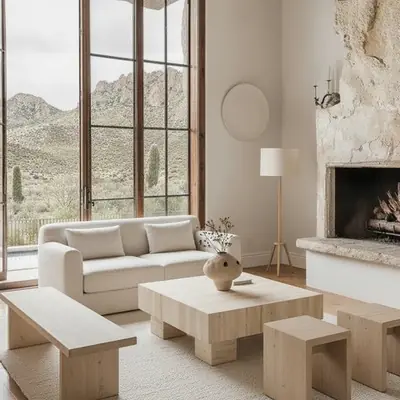
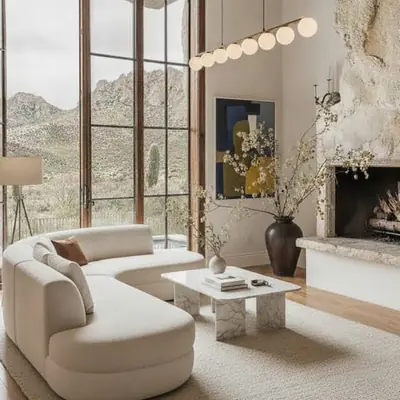
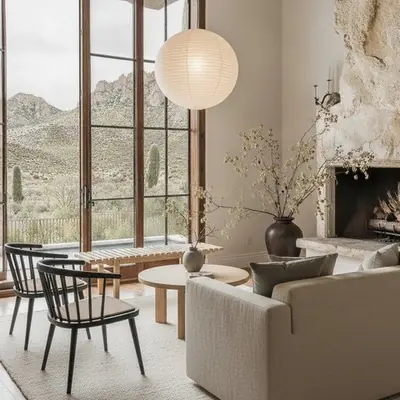
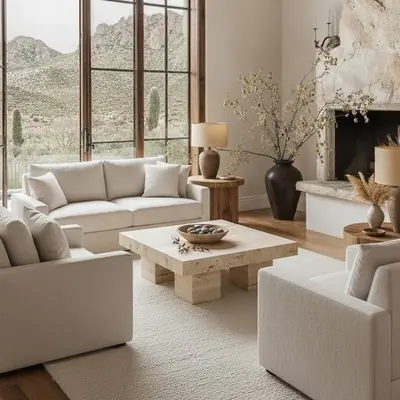
Organic modern rooms
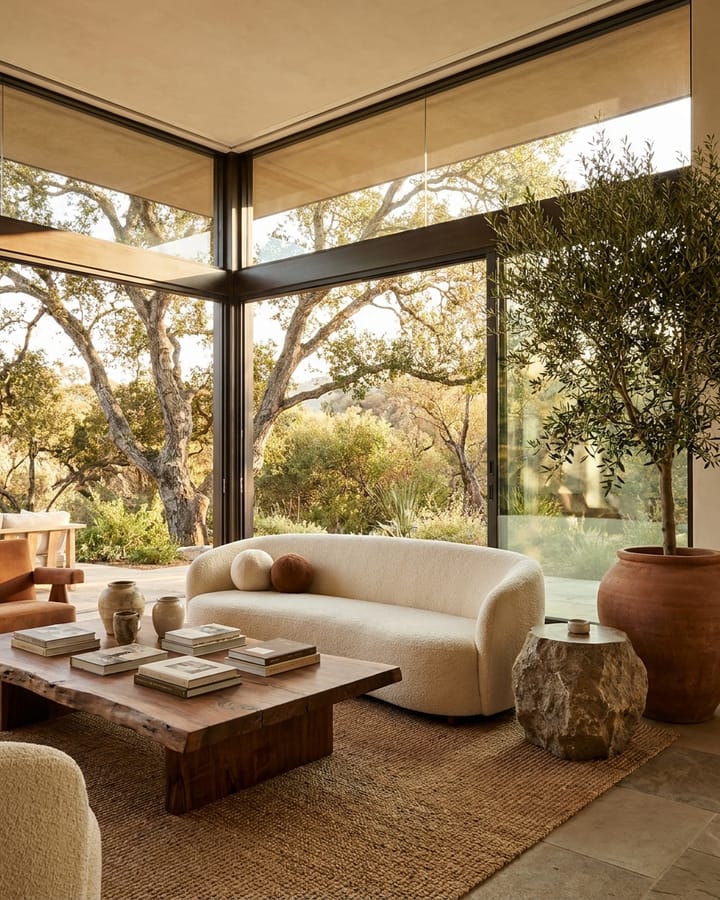
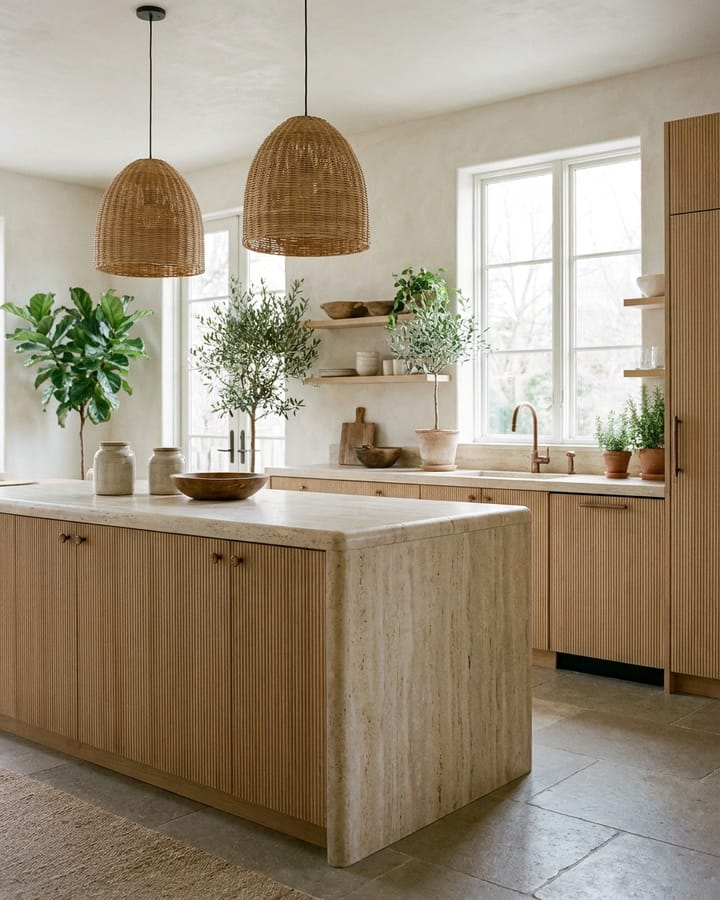
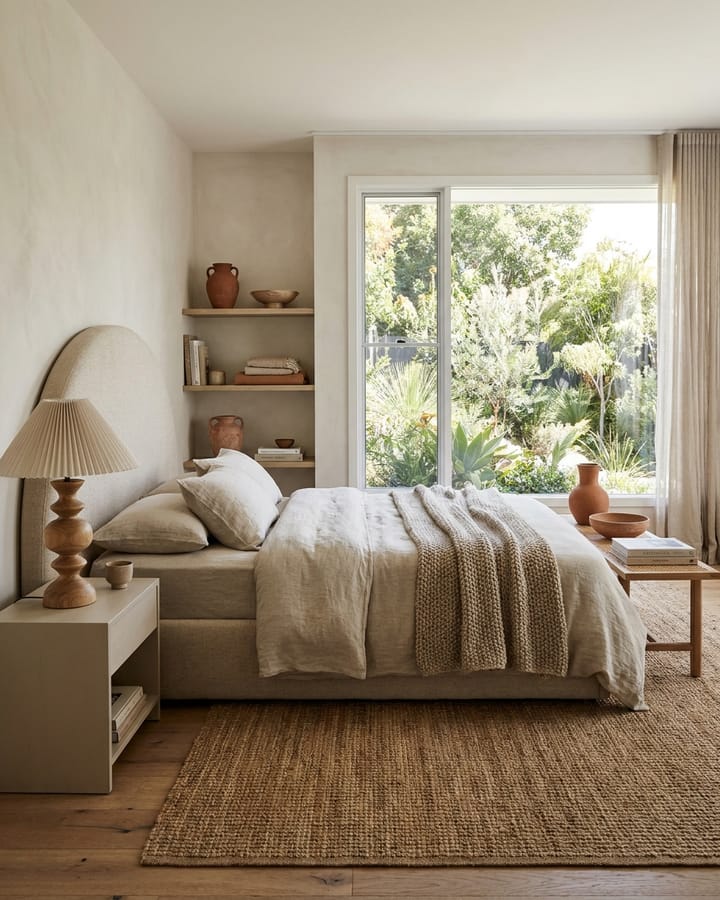
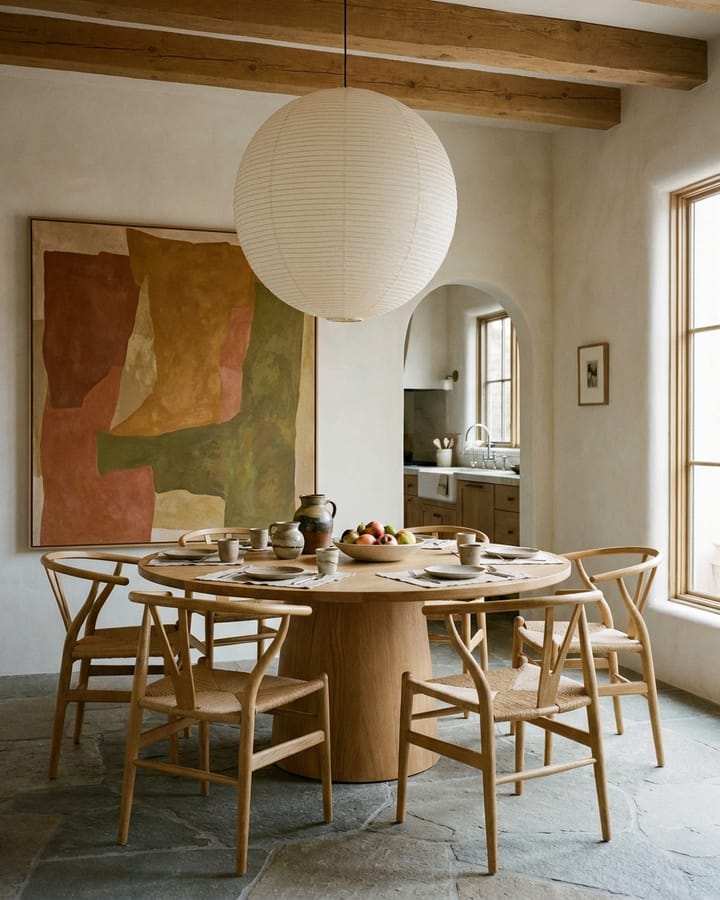
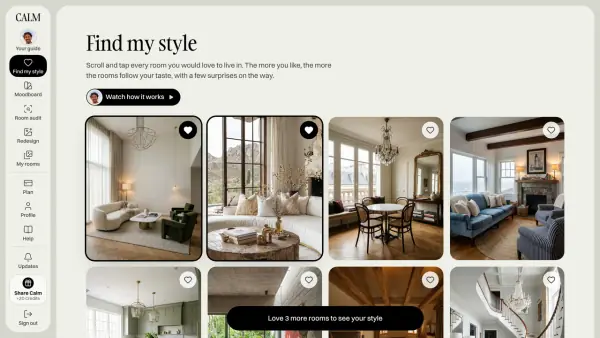
Pictures made for Find my style, our style quiz, to show the look. They are not photographs of real homes.
Pieces in the Organic modern style
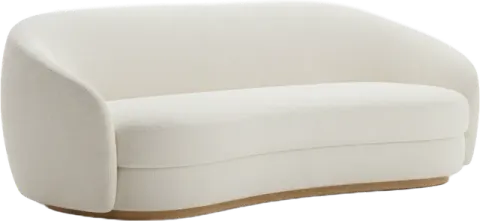 Sofa
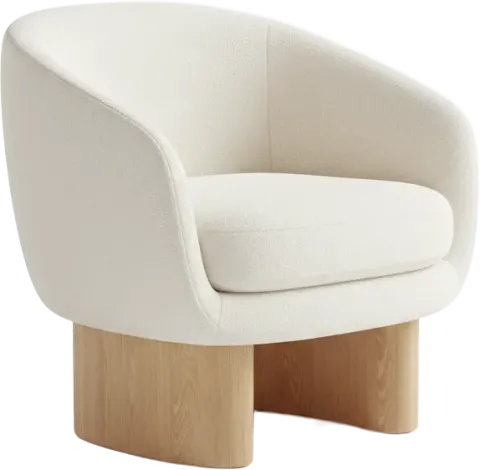 Armchair
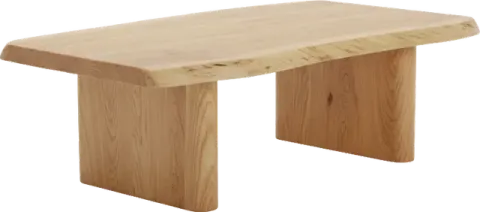 Coffee table
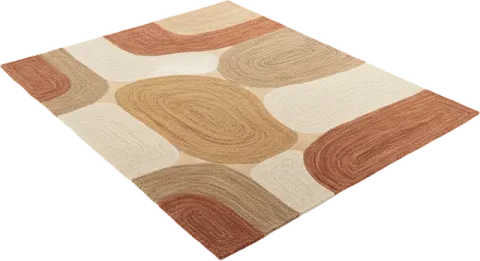 Rug
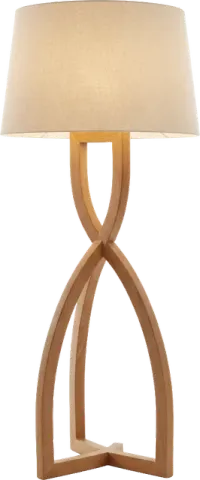 Lamp
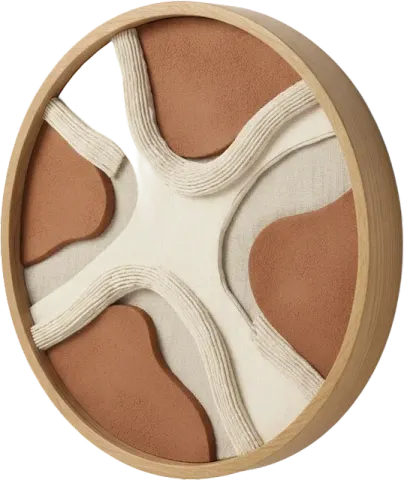 Wall art
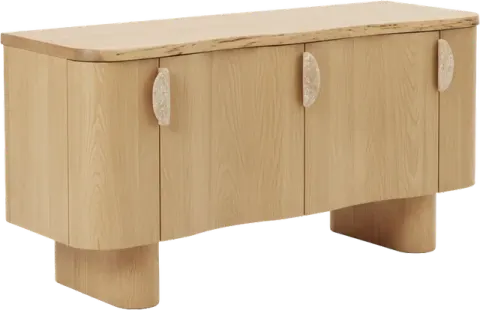 Storage
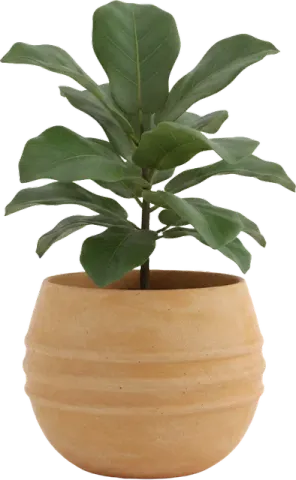 Decor
Drawn for Calm Studio’s moodboards to show the look: they are not products from a shop.
A clean, modern home that still feels like a walk in the woods: that is the promise of organic modern. Rounded shapes, big plants and wood you can see the tree in make it soft, bright and welcoming, and it photographs beautifully in daylight.
What is organic modern style?
Organic modern takes the clean lines and uncluttered space of modern design and softens them with nature: curves instead of corners, natural materials instead of glass and chrome, and plants as part of the architecture. Curved, nature-inspired shapes have a long history in modern design, but this particular mix has become one of the most popular looks of recent years.
It is a balancing act: modern restraint on one side, organic warmth on the other. Nothing is fussy, and nothing is cold.
The key elements
- Curved, rounded furniture, especially the sofa.
- Wood with its grain and edges on show.
- Stone and travertine.
- Natural fibres: bouclé, linen, jute, rattan.
- Large plants in clay or terracotta pots.
- A light, warm neutral palette with earthy accents.
- Clean, uncluttered space.
Colours
Cream is the main colour, on walls and the sofa. Oat, the colour of bouclé and linen, covers chairs, curtains and cushions. Oak and caramel come from the wood. Terracotta is the warm accent, on a throw, a pot or a ceramic lamp, and olive green comes from the plants themselves, perhaps echoed in one cushion. The effect is warm, light and natural.
Materials and textures
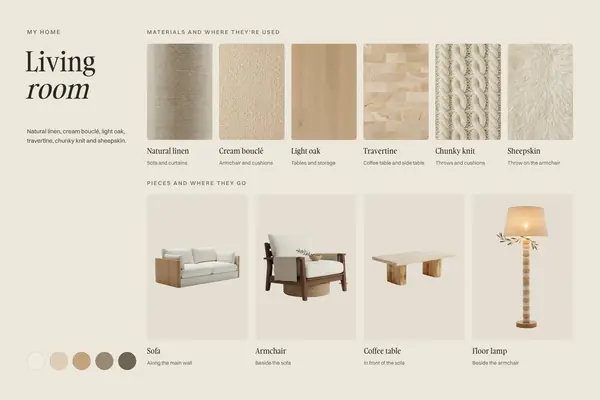
Bouclé, linen and wool for upholstery; solid oak, walnut or ash with visible grain, sometimes with a live edge; travertine, limestone or sandstone for tables; rattan and paper for pendants; jute or wool for rugs; clay and terracotta for pots. Matte black appears only as a thin line, if at all.
Furniture and shapes
The curved sofa is the signature piece, often in cream bouclé. Around it: a chunky coffee table in solid wood or travertine, a side table carved from a tree trunk, a rounded armchair, a round dining table on a sculptural base. Shapes are soft and generous, with rounded corners everywhere. Size the table to the sofa; the coffee table size guide gives the proportions.
Lighting
Woven rattan or paper pendants, a sculptural wooden lamp with a linen shade, ceramic table lamps in earthy glazes. Daylight matters a great deal, so keep window treatments light. Warm white bulbs suit the creams and woods.
Decor and accessories
An oversized olive tree or fiddle-leaf fig in a clay pot, a few large ceramic vases, branches, a textured throw in terracotta, abstract art in earth tones, coffee-table books. Accessories are few, big and natural. A round mirror softens a wall.
How to bring organic modern into your home
- Bring in plants: one large tree in a clay pot does more than many small ones.
- Change cushion covers to bouclé and linen, with one terracotta throw.
- Add round shapes: a round mirror, a round side table, a curved vase.
- Lay a jute rug, or a wool one with a nubbly weave.
- Replace one glossy table with a solid wood or stone one.
- Hang a paper or rattan pendant in place of the ceiling shade.
- Before buying anything big, make a board of your pieces; how to make a moodboard shows how.
Mistakes to avoid
- Every piece curved. A room of blobs loses its modern backbone; mix in some straight lines.
- All cream, no contrast. Add a darker wood, terracotta or olive.
- Lots of small plants. One or two large plants look intentional; ten small ones look like clutter.
- Plastic fakes. Faux plants and wood-effect laminate undermine the whole idea.
Organic modern vs warm minimalism
| Organic modern | Warm minimalism | |
|---|---|---|
| Shapes | Curvy and sculptural | Solid, block-like and built in |
| Materials | Bouclé, live-edge wood, rattan, travertine | Plaster, limewash, pale oak, stone |
| Plants | Big and central | One at most |
| Accent colour | Terracotta and olive | Almost none |
| Objects | A few large, natural pieces | As few as possible |
Plants and curves draw people to organic modern; an even calmer, emptier room is what warm minimalism offers.
Frequently asked questions
What is the difference between organic modern and Japandi?
Japandi is lower and more restrained, with light oak, paper lanterns and black accents. Organic modern is softer and curvier, with bouclé, travertine and big plants.
Does a curved sofa work in a small room?
It can, but curves need space around them and leave corners empty. In a small room, a straight sofa with rounded arms gives the same softness.
How is organic modern different from contemporary?
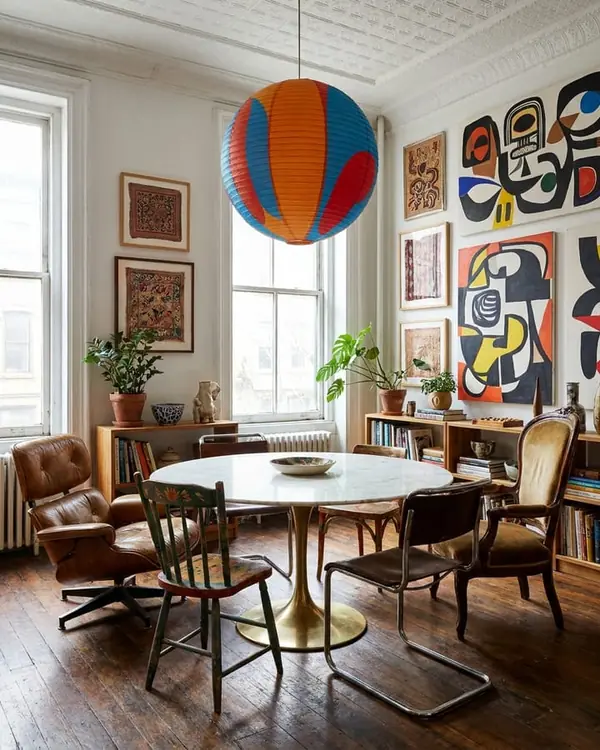
Contemporary is the broader look of today and includes bolder art, colour and statement lights. Organic modern is its natural, earthy branch.