Rustic interior design: colours, materials and how to get the look
Quick answer
Rustic style, often called farmhouse style, brings the warmth of an old country house indoors: exposed stone and timber beams, reclaimed and weathered wood, linen, wool and worn leather, black iron and copper. Furniture looks handed down rather than bought new, colours are creams and wood browns, and the rooms are made for comfort, muddy boots and long evenings by the fire.

By Eduardo, founder of Calm Decoration
The colours of Rustic
#efe6d6#c8b49a#8a6a4a#5b4636#2f2a26
What gives it away
- Exposed stone and beams
- Reclaimed wood
- Linen, wool and leather
- Iron and copper
- Fireside comfort
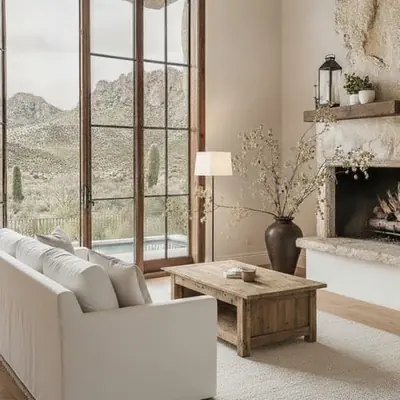
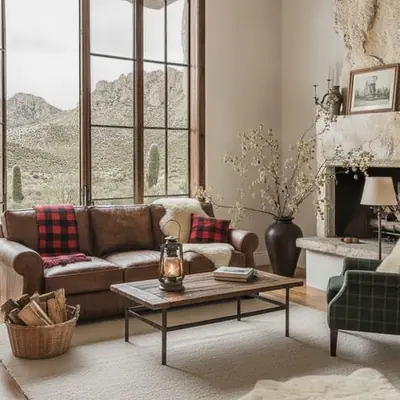
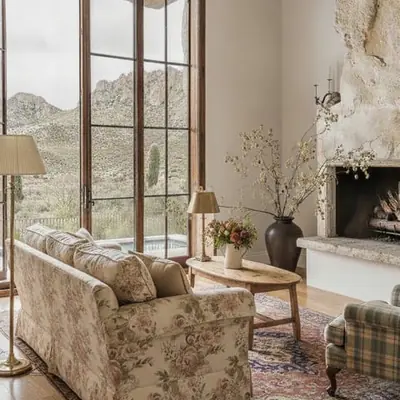
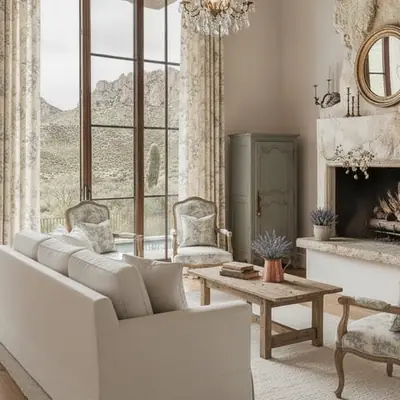
Rustic rooms
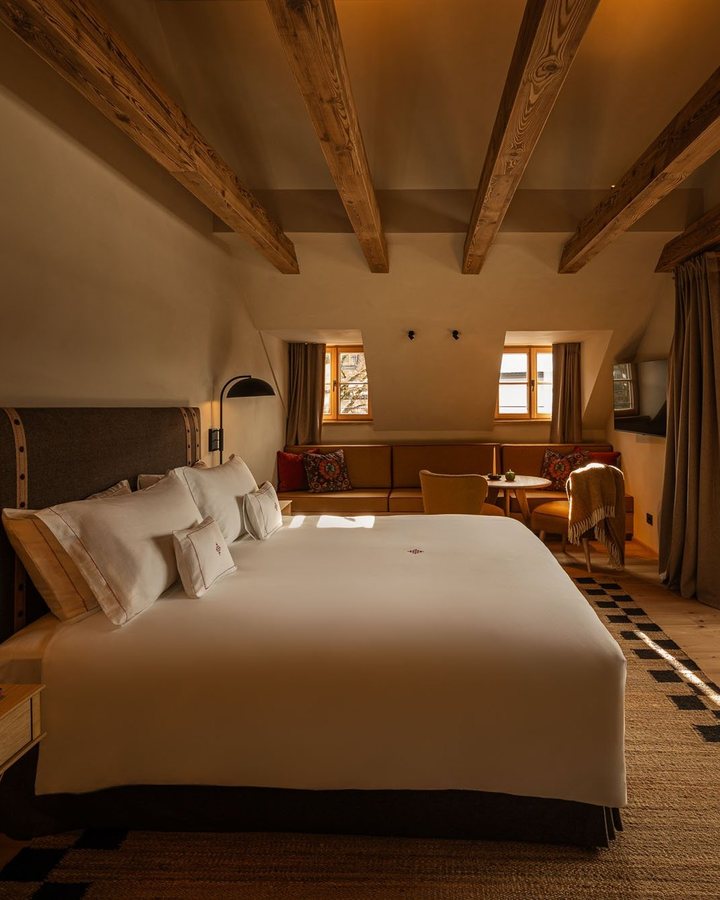
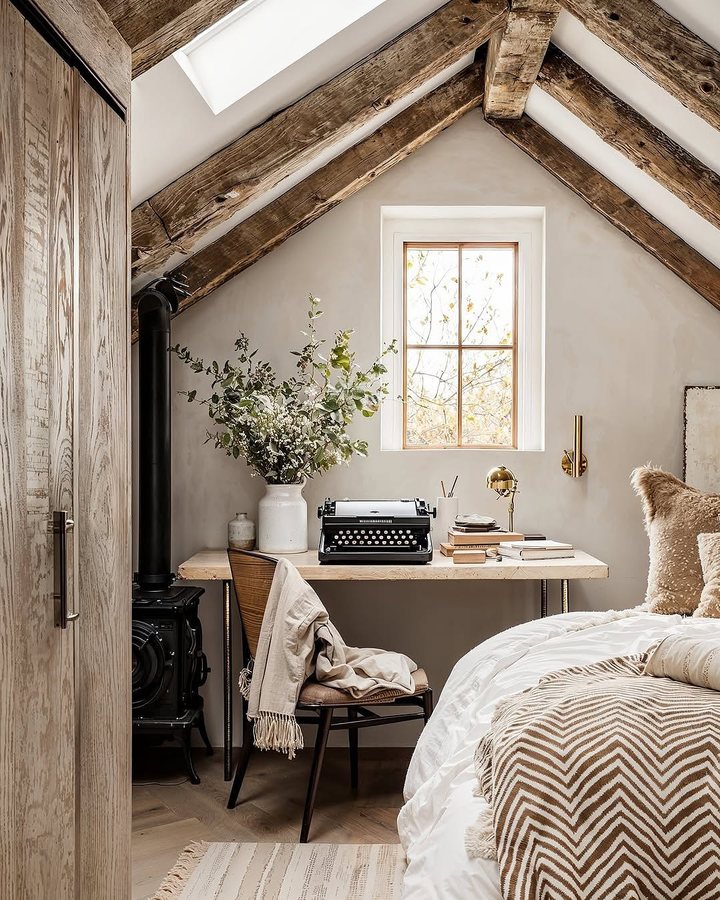
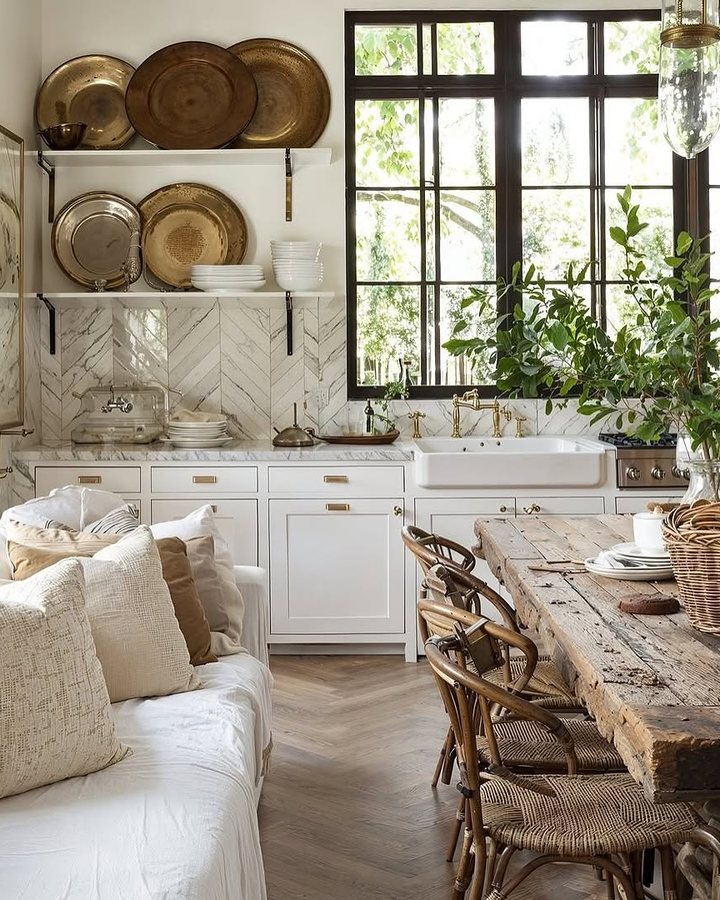
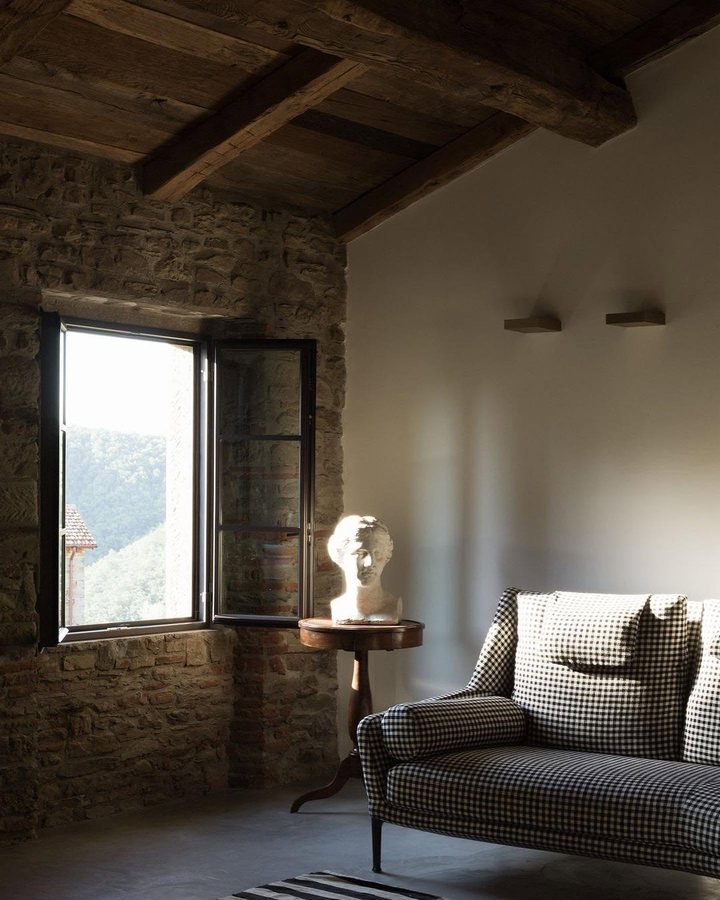
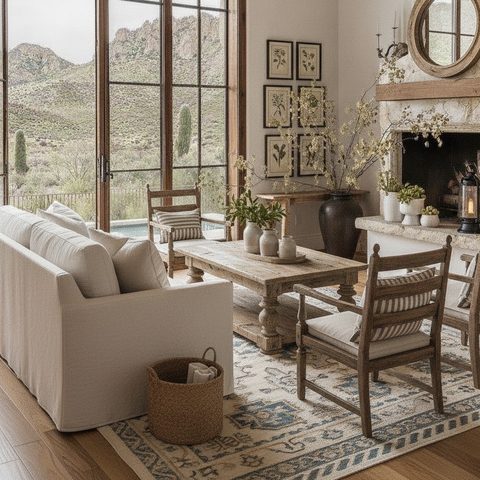
Interiors from Calm Decoration's Instagram.
Pieces in the Rustic style
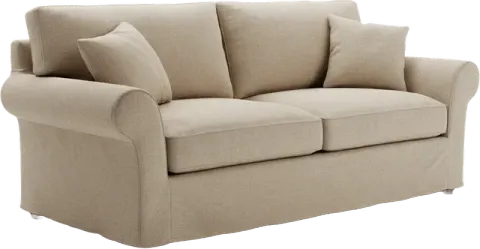 Sofa
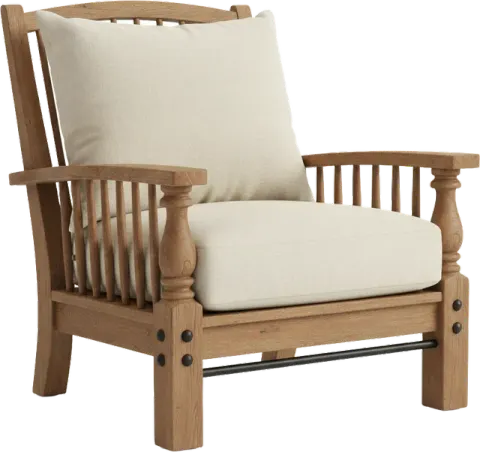 Armchair
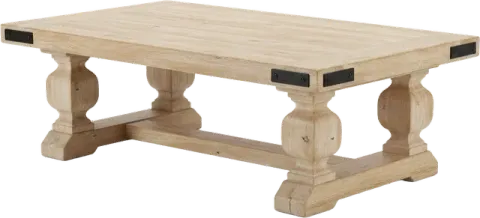 Coffee table
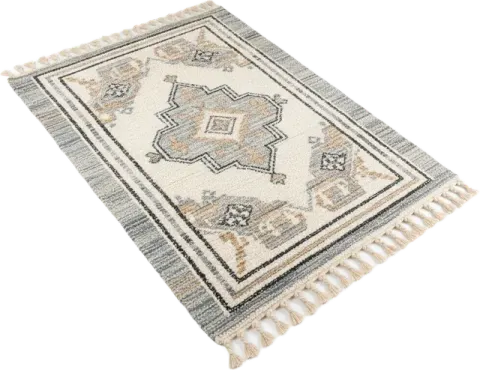 Rug
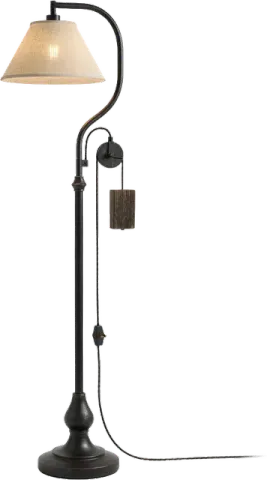 Lamp
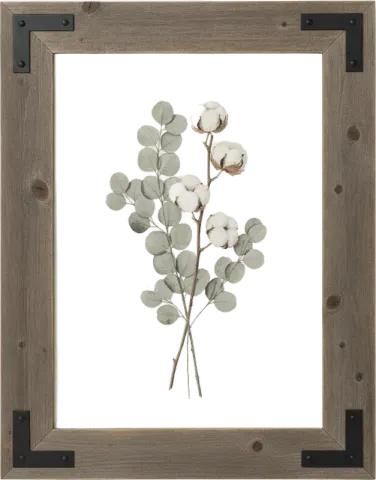 Wall art
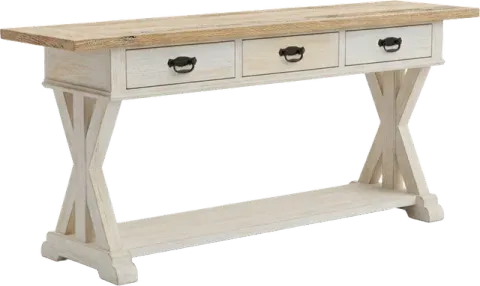 Storage
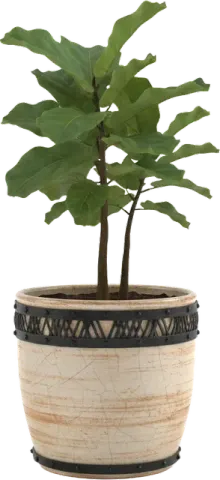 Decor
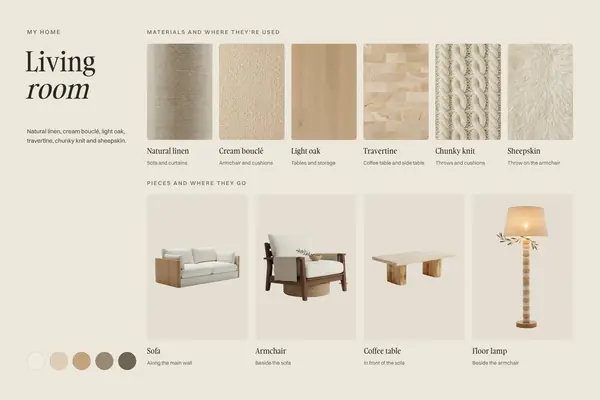
Drawn for Calm Studio’s moodboards to show the look: they are not products from a shop.
A rustic room looks as if it has always been there. It welcomes dogs, children, wet coats and friends who stay too late; nothing is precious, everything is solid, and the best seat in the house is the one nearest the fire. It is the style for anyone who puts comfort before polish.
What is rustic style?
The rustic look comes from farmhouses, barns and country cottages built with whatever was to hand: local stone, timber from nearby woods, iron from the village forge. Their rooms filled up slowly over generations, with a table made by a carpenter, chairs that never quite matched and textiles that were woven, worn and mended.
Today "rustic" and "farmhouse" are used almost interchangeably for this warm, weathered style. Three things define it: honest material, the marks of age and a strong sense of comfort.
The key elements
- Exposed stone, brick or timber beams.
- Reclaimed wood with knots, saw marks and old nail holes.
- A big farmhouse table on turned or trestle legs.
- Mismatched wooden chairs: ladder-back, spindle-back or cross-back.
- A deep, slipcovered sofa in linen.
- Black iron and copper details.
- Baskets, stoneware jugs and wool throws.
Colours
The palette comes from the materials themselves. Cream is the wall colour, warm and slightly yellow rather than bright white. Oatmeal and flax cover the sofa and curtains. A weathered oak brown appears in tables and chairs, and the dark walnut of old beams and floorboards anchors the room. The near-black of iron finishes it: curtain poles, handles, lanterns. Faded blues and reds can come from a vintage rug or a checked cushion, always softened, never bright.
Materials and textures
Wood leads: pine, oak and chestnut, reclaimed where possible, waxed or oiled rather than varnished. Stone, brick and lime plaster for walls and hearths. Linen, wool, grain-sack cotton and worn leather for comfort. Iron, copper and galvanised zinc for the hard details, and stoneware and terracotta for the kitchen. Every surface should look as if it improves with use.
Furniture and shapes
Furniture is chunky, handmade-looking and a little worn. A long table with benches, a dresser or cupboard, painted or distressed cabinets, a leather armchair by the fire. Shapes are square and sturdy, with turned legs and visible joints. The sofa is deep and forgiving, ideally with washable covers.
Lighting
Light should feel like a fire on a winter night. Iron lanterns, candle-style chandeliers, wall lights with linen shades, table lamps with stoneware bases. Use warm bulbs and plenty of candles, and keep one corner for a real or electric fire if you can. Overhead spotlights alone make a rustic room look like a barn conversion for sale.
Decor and accessories
Stoneware jugs filled with greenery, wooden boards, baskets for logs and blankets, botanical prints in wooden frames, a mirror in a thick wooden frame, sheepskins and wool throws, a vintage rug with faded pattern. Choose useful things first: the look comes from objects that are used.
How to bring rustic style into your home
- Put your wooden pieces centre stage, and wax rather than varnish them.
- Gather baskets, stoneware and old jugs from charity shops and flea markets.
- Dress the sofa in linen, wool and simple checks or stripes.
- Change curtain poles and handles to black iron.
- Buy one large second-hand table, dresser or cupboard; mixing old and new furniture shows how to make it sit well with what you own.
- Add a vintage-style rug and warm lamps.
- If you are renovating, uncover beams or brick rather than adding thin imitations.
Mistakes to avoid
- Word signs and novelty decor. Painted slogans and plastic chickens turn rustic into a theme.
- Factory-distressed everything. One genuinely old piece beats five made to look old.
- Too much brown. Dark wood on dark walls is heavy; keep walls and textiles light.
- Cold light. It drains the warmth from wood and stone.
Rustic vs modern farmhouse
| Rustic | Modern farmhouse | |
|---|---|---|
| Overall feel | Old, weathered and cosy | Crisp, bright and fresh |
| Walls | Stone, brick, cream plaster | White shiplap or board-and-batten |
| Wood | Dark, reclaimed, worn | Lighter wood beside lots of white |
| Metal | Iron and copper, aged | Black steel windows and fittings |
| Contrast | Low and warm | High: white against black |
Patina and age are rustic's whole point; if you want its comfort in a cleaner, brighter version, modern farmhouse is the better match.
Frequently asked questions
Is rustic the same as farmhouse?
Mostly, yes: both draw on country homes, reclaimed wood and natural materials. "Rustic" usually stresses age and rough texture, while "farmhouse" now often means the lighter modern version.
Can I do rustic style in a new-build flat?
Yes. Bring the age in through furniture and textiles: an old table, wool, linen, iron and baskets, plus warm lamps. A cosy layout matters more than beams; making a room feel cosy covers it.
How is rustic different from cabin style?
Cabin style is the mountain and forest branch: log or timber walls, plaid, leather sofas and views of trees. Rustic is broader and includes stone farmhouses and cottages.