Postmodern interior design: colours, materials and how to get the look
Quick answer
Postmodern interior style, often called Memphis style after the 1980s Milan design group, treats furniture as sculpture: bold geometric shapes, terrazzo, checkerboards and squiggles, columns and arches, and pastel pink, mint, coral and yellow sharpened with black and white. It breaks the strict rules of modernism on purpose, and the result is witty, colourful and never boring.

By Eduardo, founder of Calm Decoration
The colours of Postmodern
#f3c6c8#b9e2d0#f4d35e#f08a6e#1d1d1d
What gives it away
- Geometric, sculptural furniture
- Terrazzo and checkerboard
- Pastel and primary colours
- Squiggles and pattern
- Columns and arches
Postmodern rooms
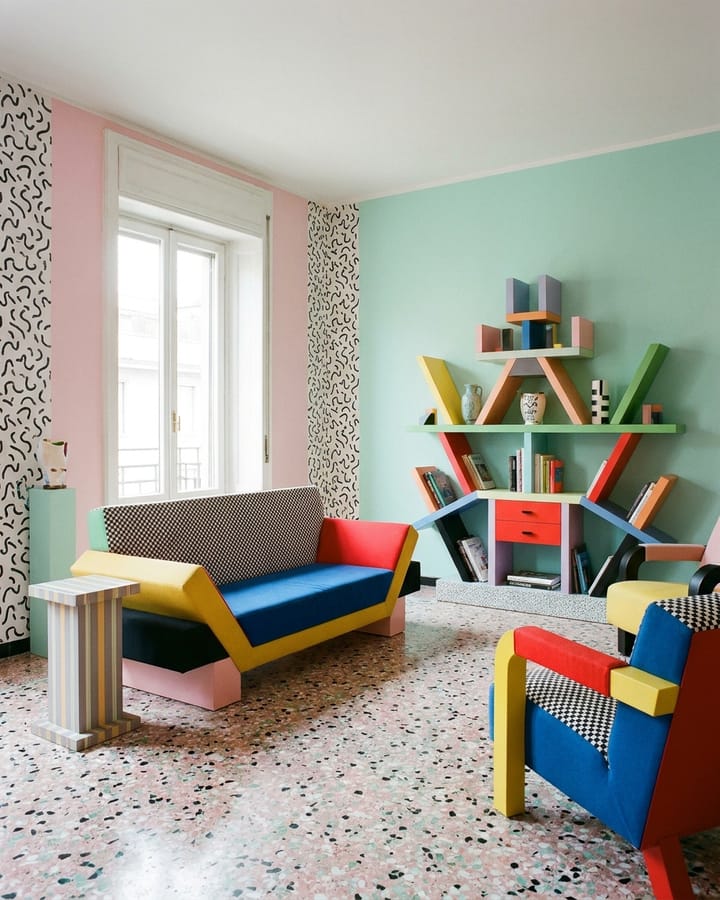
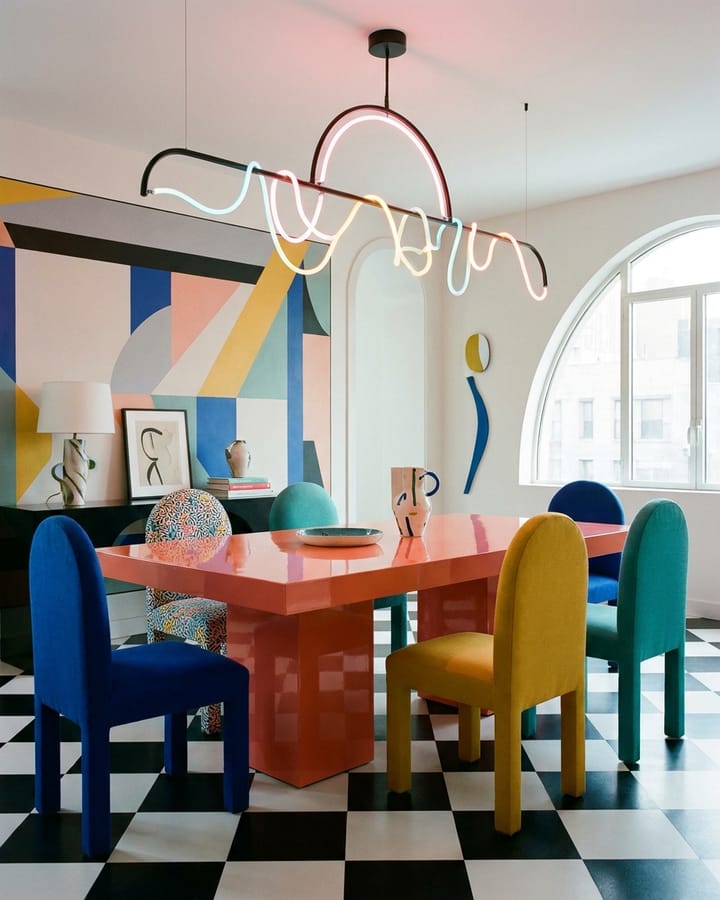
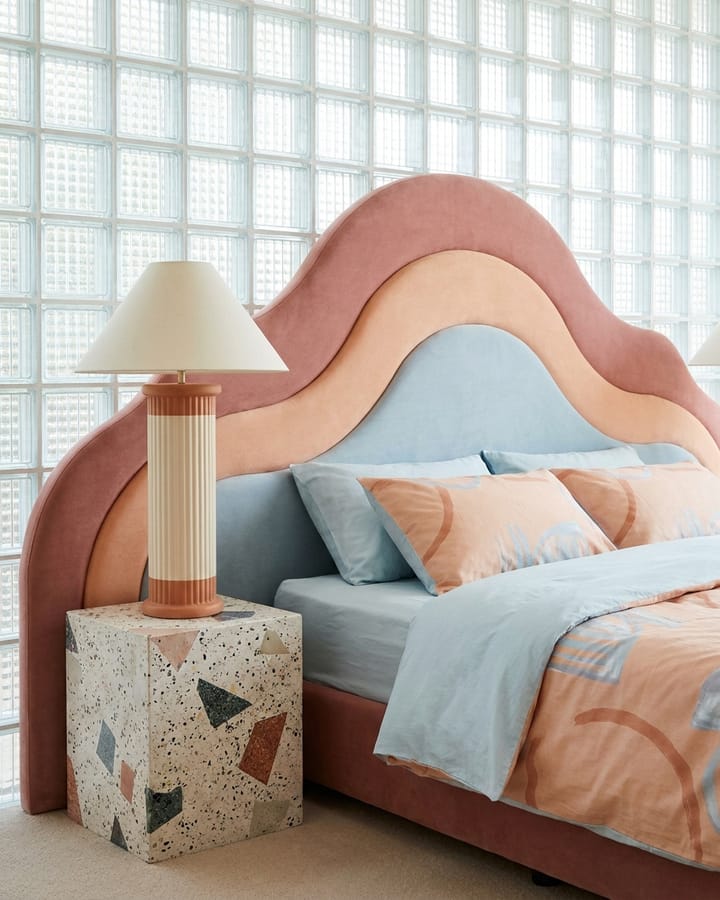
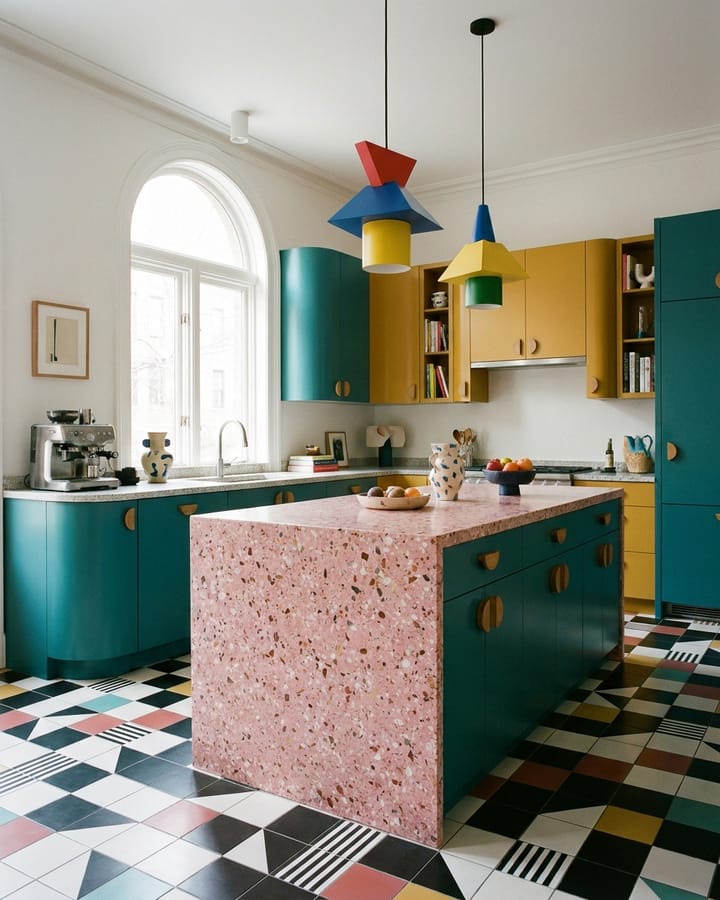
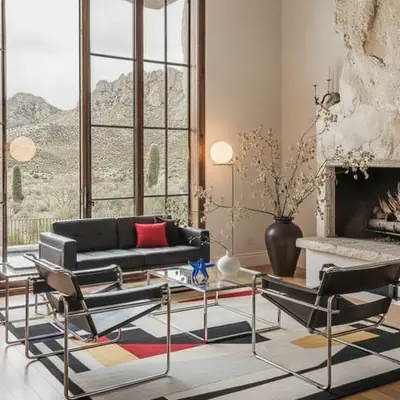
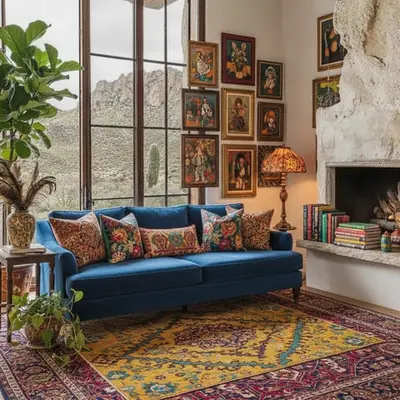
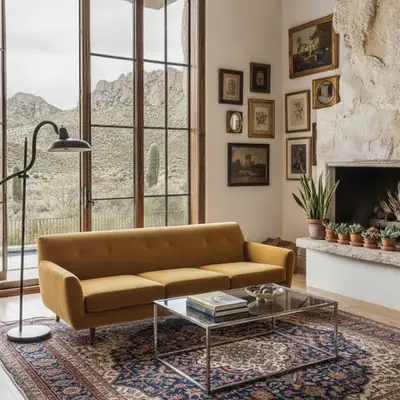
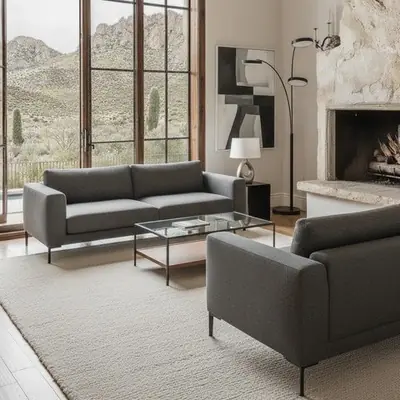
Pictures made for Find my style, our style quiz, to show the look. They are not photographs of real homes.
Pieces in the Postmodern style
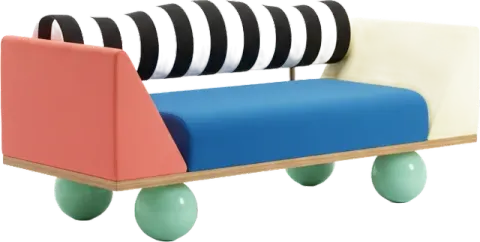 Sofa
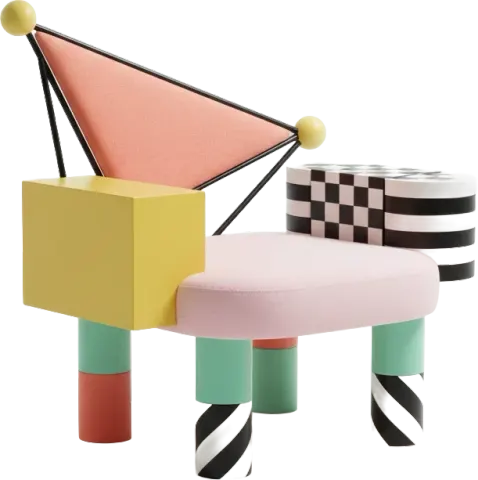 Armchair
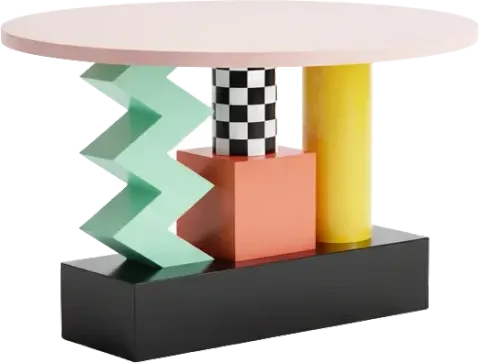 Coffee table
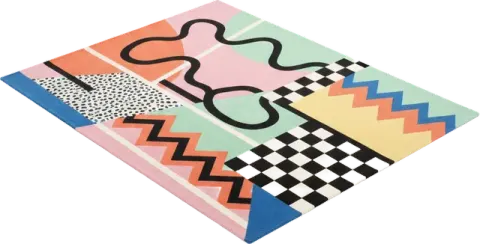 Rug
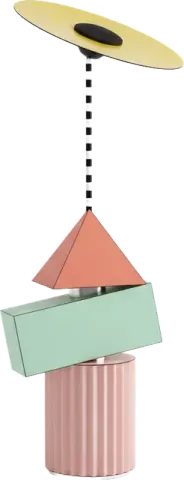 Lamp
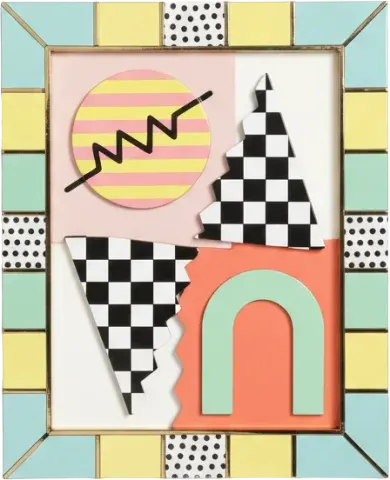 Wall art
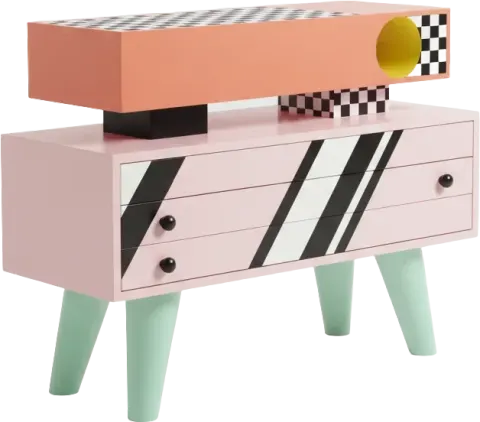 Storage
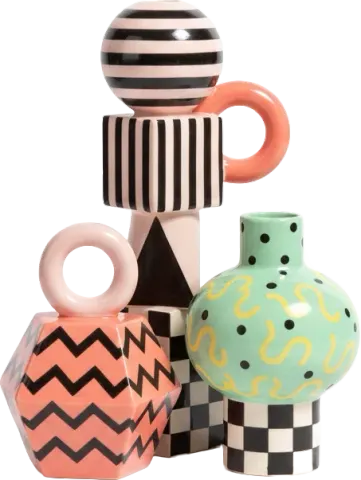 Decor
Drawn for Calm Studio’s moodboards to show the look: they are not products from a shop.
A home should make you smile, and postmodern style takes that literally. Collectors, creatives and anyone who has bought a lamp just because it looked funny will find it irresistible. Bold and graphic, it takes design seriously without taking itself seriously.
What is postmodern style?
Postmodernism began as a reaction against modernism's strict rules. In architecture, Robert Venturi answered the modernist motto "less is more" with "less is a bore", and from the 1960s onwards designers began to bring back colour, pattern, ornament and historical references, often with irony.
In interiors, the best-known chapter is Memphis, a group of designers formed in Milan in the early 1980s around Ettore Sottsass. Their furniture looked like toys or sculptures: colourful plastic laminates, clashing patterns and shapes that seemed to ignore function. The same playfulness drives the style today: furniture as sculpture, graphic pattern and colour used with confidence.
The key elements
- Furniture with bold, geometric, sculptural shapes.
- Terrazzo, checkerboards and squiggles.
- Pastel colours sharpened with black and white.
- Columns, arches and stepped forms.
- Plastic laminate and lacquer.
- Clashing patterns, used on purpose.
- A sense of humour.
Colours
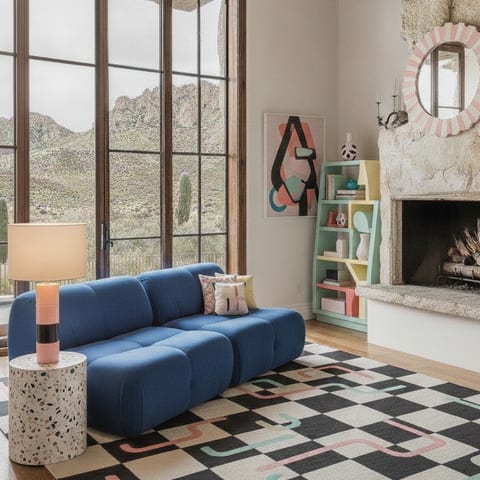
Pastel pink, mint, buttery yellow and coral are the core, with black for lines and pattern and white to let them breathe. Use black and white for the big graphic moves, a checkerboard rug or a striped lamp, and the pastels in blocks of colour: a bookcase, a mirror frame, a side table. A strong blue or red sofa can anchor the scheme, as primary colours were part of Memphis too.
Materials and textures
Patterned plastic laminate, lacquered wood, terrazzo, glass blocks, chrome, painted metal and colourful ceramics. Today's versions often add soft materials, such as bouclé and velvet, to chunky, rounded sofas. Surfaces are smooth and flat, so colour and shape do the talking.
Furniture and shapes
Furniture is sculpture: a chunky modular sofa in a strong colour, geometric side tables, a column-shaped lamp, a bookcase built from coloured blocks at odd angles, chairs with surprising silhouettes. Arches, circles, triangles and cylinders are stacked and combined. A few such statement pieces go a long way.
Lighting
Lamps are part of the show: striped column lamps, lamps made of stacked geometric shapes, colourful pendants, neon signs in simple shapes. Warm bulbs stop the pastels turning chalky in the evening.
Decor and accessories
Squiggle prints, scalloped or arched mirrors, pastel ceramics, sculptural vases, art prints with bold graphic shapes. Display them on shelves like a small exhibition, grouped by colour; there are arranging tips in how to style shelves and coffee tables.
How to bring postmodern style into your home
- Turn a shelf into a display: group objects by colour and shape.
- Paint an arch or a circle on a wall behind a sofa or bed.
- Lay a checkerboard or graphic rug.
- Add terrazzo: a tray, a side table, coasters.
- Swap cushions for pastels with one black-and-white pattern.
- Bring in one sculptural lamp.
- Save up for one statement piece of furniture.
Mistakes to avoid
- Every motif at once. Squiggles, terrazzo, checks and stripes all together become noise; pick two or three.
- No anchor. Without black, white or one strong colour, the pastels look washed out.
- Theme party. A room of 1980s nostalgia looks like a costume; mix in today's pieces.
- Fragile novelty buys. Cheap, flimsy copies fall apart and date fast.
Postmodern vs Bauhaus
| Postmodern | Bauhaus | |
|---|---|---|
| Attitude | Playful, ironic, rule-breaking | Rational, functional, serious |
| Colour | Pastels, black and white, some primaries | White, black and pure primaries |
| Shapes | Sculptural, stacked, surprising | Simple geometry, made for function |
| Pattern | Lots: squiggles, terrazzo, checks | Almost none |
| Era | Mainly the 1980s | 1919 to 1933 |
Wit and colour make a postmodern room; if clean geometry and order appeal more, Bauhaus, the very modernism postmodernism teased, may be your style.
Frequently asked questions
What is Memphis design?
Memphis was a design group formed in Milan in the early 1980s around Ettore Sottsass, famous for colourful, pattern-covered furniture that looked like sculpture. Its look is the heart of postmodern interiors today.
How do I keep a postmodern room from looking childish?
Use a tight palette, one or two big statement pieces and plenty of plain wall. Pastels with black look grown-up; primary colours everywhere look like a nursery.
Is postmodern the same as maximalist?
No. Maximalist rooms layer many colours, patterns and collections, while postmodern is more graphic and sculptural and can be quite sparse. For a free mix of eras, see eclectic.