Retro-futuristic interiors: colours, materials and how to get the look
Quick answer
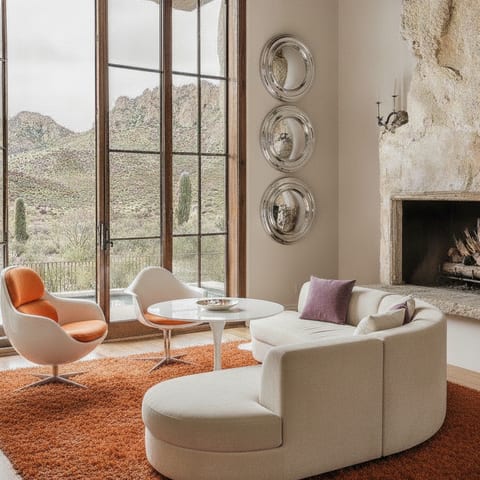
Retro-futuristic interior style, or retrofuturism, recreates the future as designers imagined it in the space age of the 1960s and 70s: egg and pod chairs, curved modular sofas, sunken conversation pits, glossy white curves, chrome, moulded plastic, mushroom lamps and shag rugs in orange, tangerine and purple. It is playful, optimistic and a little out of this world.

By Eduardo, founder of Calm Decoration
The colours of Retro-futuristic
#f6f1e8#c9ccd0#f0a34a#d8592b#7b4fa0
What gives it away
- Egg and pod chairs
- Glossy white curves
- Chrome and moulded plastic
- Orange and purple
- Round windows and shapes
Retro-futuristic rooms
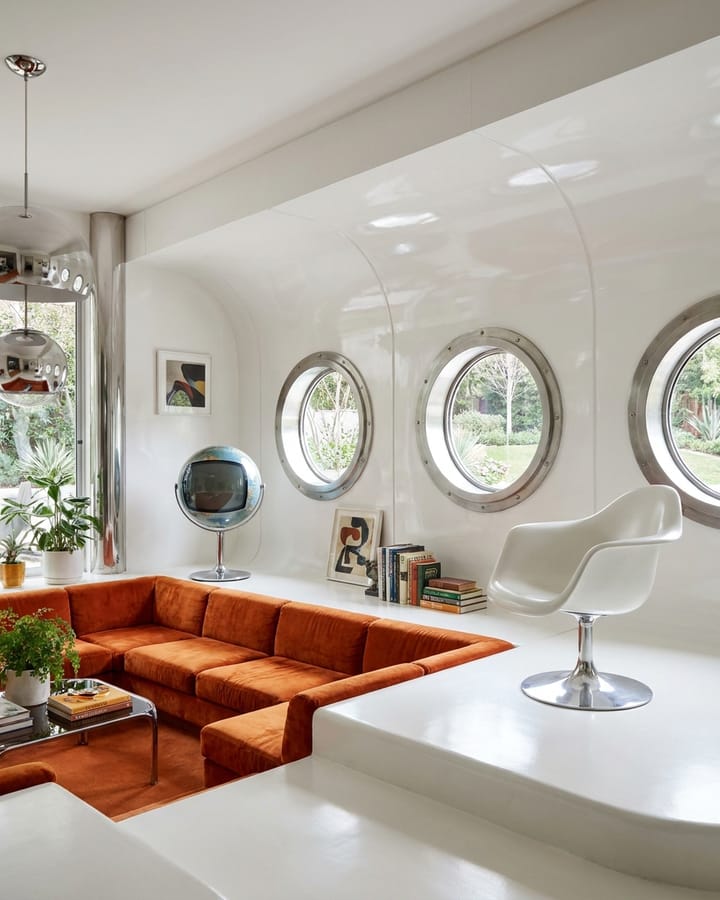
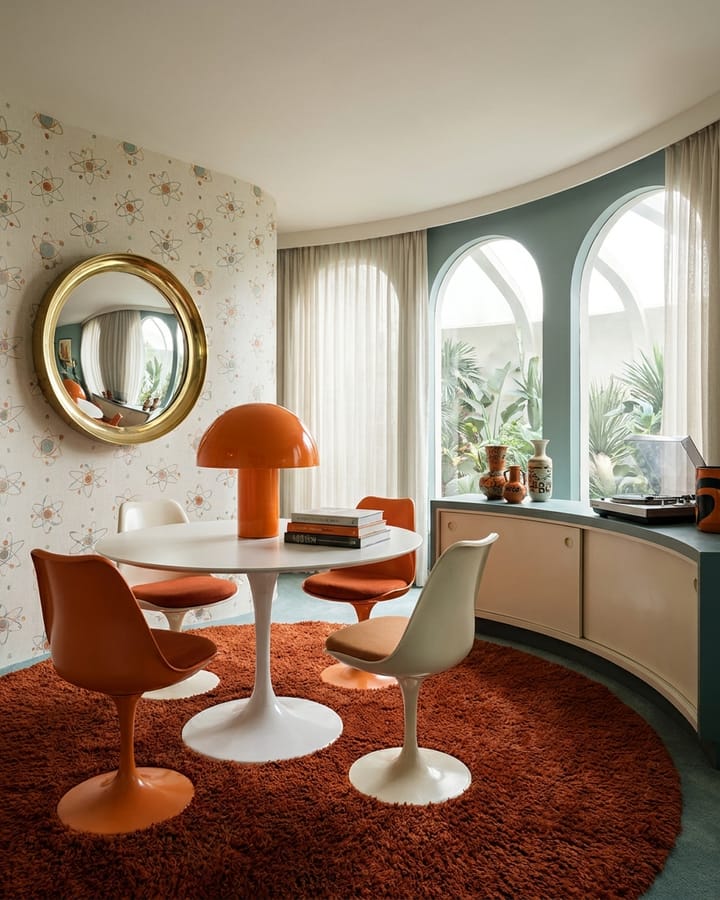
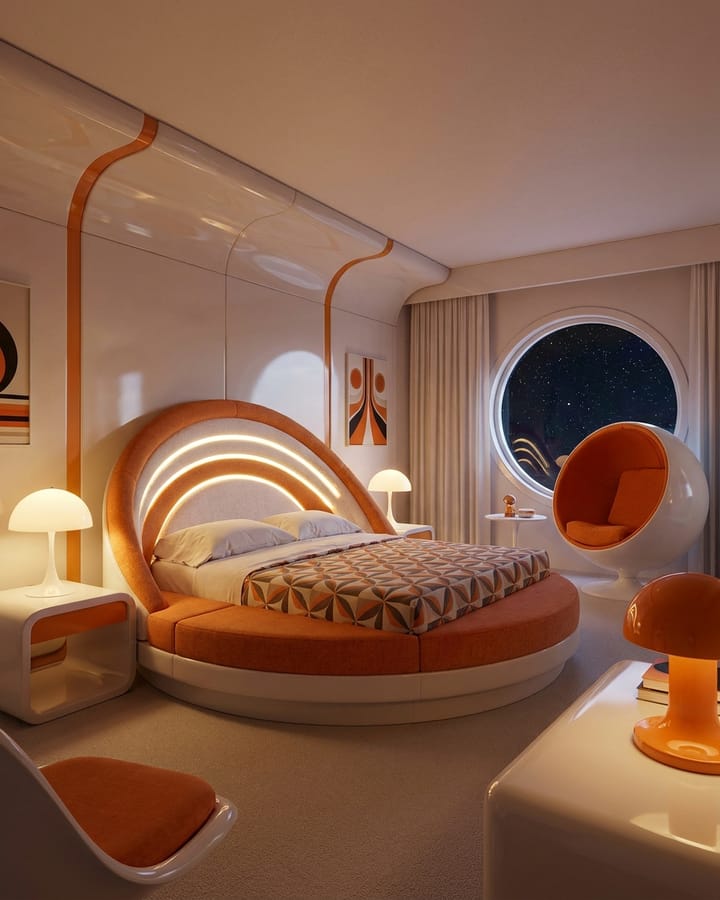
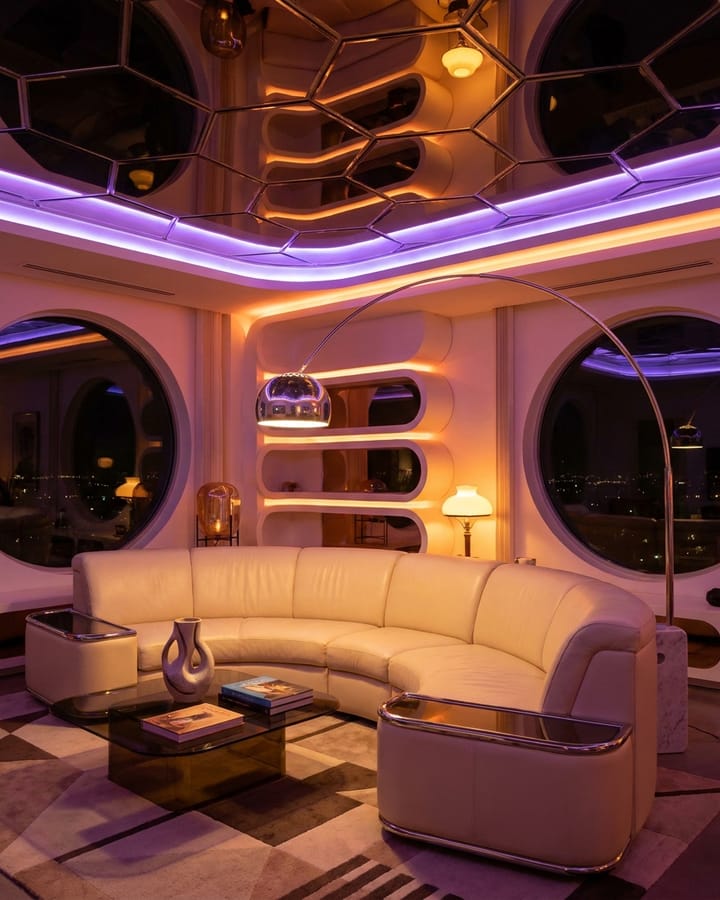
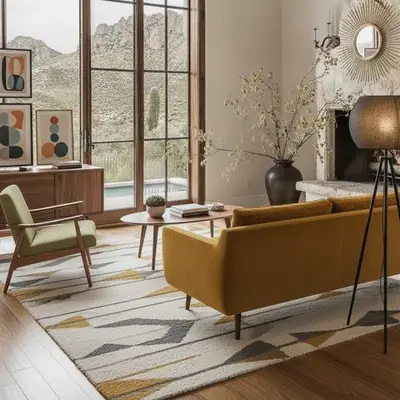
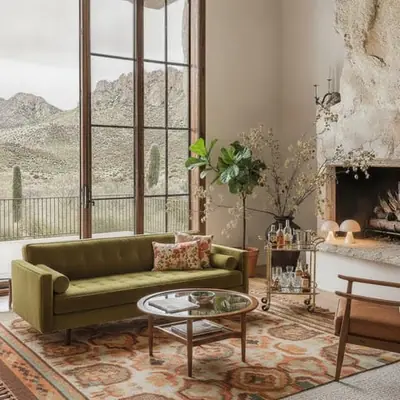
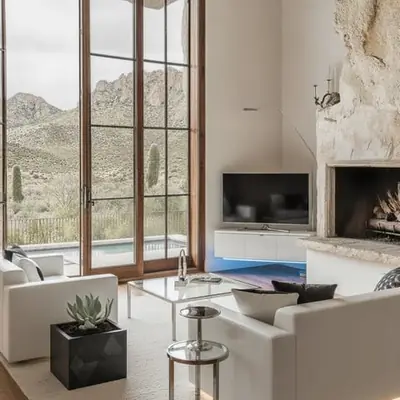
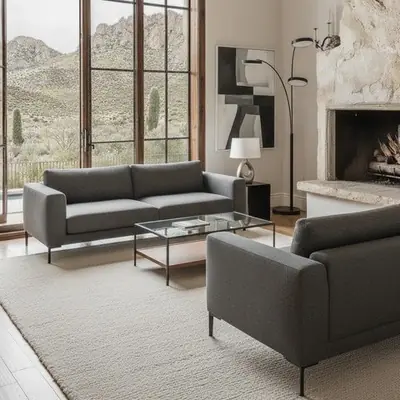
Pictures made for Find my style, our style quiz, to show the look. They are not photographs of real homes.
Pieces in the Retro-futuristic style
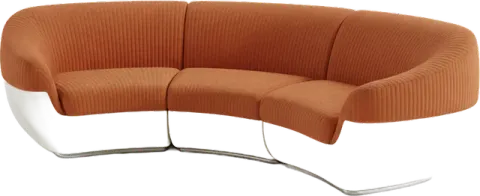 Sofa
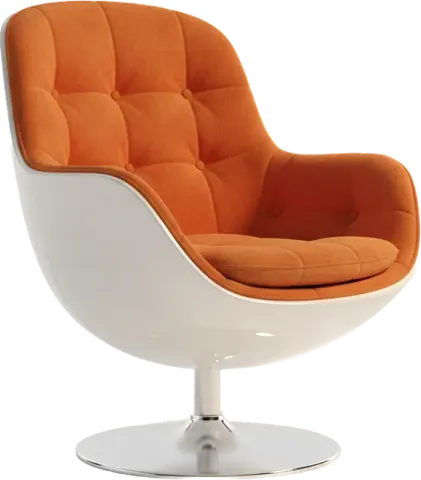 Armchair
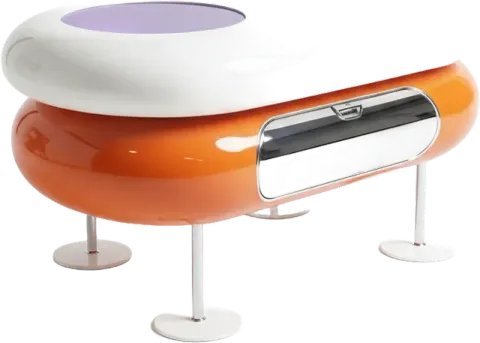 Coffee table
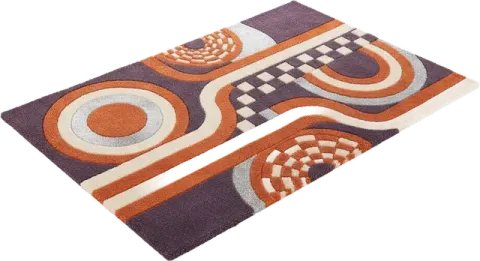 Rug
 Lamp
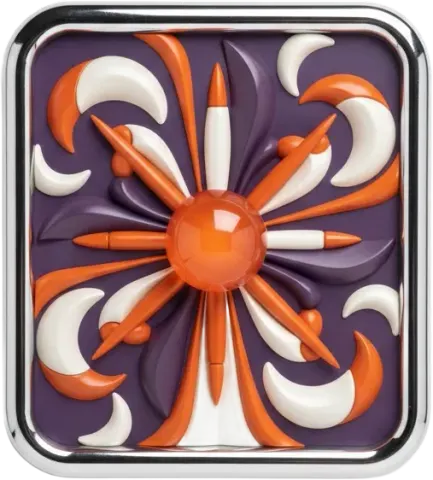 Wall art
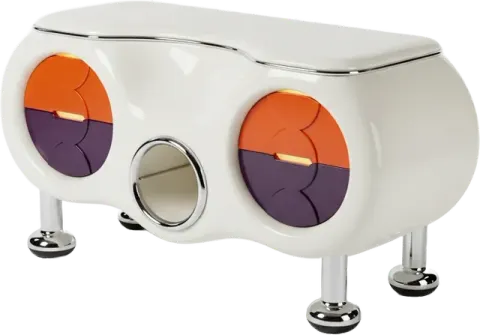 Storage
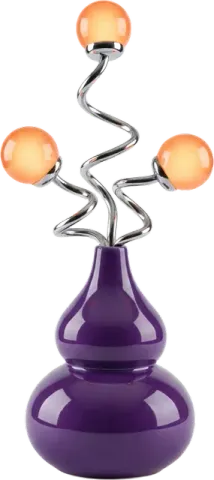 Decor
Drawn for Calm Studio’s moodboards to show the look: they are not products from a shop.
Anyone who never quite grew out of science fiction will recognise this style at once. It suits lovers of bold colour, round shapes and fun, people who would happily trade a sensible sofa for a pod chair that swivels. It may be the most cheerful style of all.
What is retro-futuristic style?
It looks back at the future as it was imagined in the space age, roughly the 1960s and early 1970s, when the space race and the first moon landing in 1969 filled the world with optimism about tomorrow. New plastics and moulding methods let designers make furniture in smooth, continuous curves: egg chairs, ball chairs, stackable plastic chairs, inflatable seats and modular sofas you could rearrange.
Homes of the period sometimes had sunken conversation pits, and interiors in films imagined white, curved rooms in space. Retrofuturism borrows all of that. Roundness, gloss, chrome and confident colour sum it up, with a wink of humour.
The key elements
- Round and curved shapes everywhere.
- Egg, pod and ball chairs.
- Moulded plastic and fibreglass.
- Chrome and polished metal.
- Orange, tangerine and purple against glossy white.
- Shag rugs and plush textures.
- Round mirrors, windows and lamps.
Colours
Glossy cream-white is the background: walls, a tulip table, moulded chairs. Chrome silver adds sparkle on lamps, mirrors and legs. Tangerine and burnt orange are the signature, on a shag rug, cushions or a pod chair lining, and purple is the surprise accent, on a cushion, a throw or a lamp. Use white generously so the bright colours feel fresh rather than heavy; strong colours are easier with a plan, and the colour palette guide helps you make one.
Materials and textures
Moulded plastic and fibreglass, chrome, acrylic and smoked perspex, glossy lacquer, velvet and plush upholstery, shag and high-pile wool, vinyl and patent finishes. The contrast is between hard, glossy shells and very soft textiles.
Furniture and shapes
A curved modular sofa, perhaps in cream or orange velvet, egg or pod chairs that swivel, a white tulip table on its flared stem, stackable moulded chairs, low round coffee tables and space-age storage in white plastic. Seating is often arranged in a circle, as in a conversation pit, so people face each other.
Lighting
Mushroom lamps, chrome arc lamps, globe pendants and starburst chandeliers set the tone. Lava lamps, first sold in the 1960s, add a playful glow. Warm, dimmable light flatters the orange and purple; harsh light makes them garish.
Decor and accessories
Round chrome mirrors, space-themed or graphic posters, sculptural ceramics, a record player, a moulded plastic magazine rack. Keep the accessories bold but few: the furniture already says a lot.
How to bring retro-futuristic style into your home
- Gather what is round: mirrors, bowls, lamps, a round side table.
- Add orange or purple cushions and a throw.
- Swap one lamp for a mushroom or globe lamp.
- Lay a shag rug in burnt orange or cream.
- Find a vintage or new tulip table or pod chair.
- Group your seating in a circle to suggest a conversation pit.
- Add chrome: a tray, a mirror, lamp bases.
Mistakes to avoid
- Fancy dress. Too many novelty space objects make the room look like a party set.
- Every colour at once. Choose orange and purple, or orange and brown, not the whole rainbow.
- Cheap plastic. Thin, wobbly copies date fast; buy fewer, sturdier pieces.
- No calm areas. Leave white wall and floor so the shapes can stand out.
Retro-futuristic vs mid-century
| Retro-futuristic | Mid-century modern | |
|---|---|---|
| Era | 1960s and early 1970s space age | About the 1940s to the 1960s |
| Materials | Plastic, fibreglass, chrome, shag | Teak, walnut, moulded plywood |
| Shapes | Round, enclosed, pod-like | Slim, tapered, gently organic |
| Colour | White, orange, tangerine, purple | Wood with mustard, olive, teal |
| Mood | Playful and futuristic | Warm and optimistic |
Fun, gloss and colour belong to retro-futurism; warm wood and quieter lines belong to mid-century modern.
Frequently asked questions
What is a conversation pit, and can I fake one?
A conversation pit is a sunken seating area set into the floor, popular in some homes from the 1950s to the 1970s. You can suggest one with a curved modular sofa or floor cushions arranged in a circle on a deep rug.
How is retro-futurism different from vintage?
Vintage mixes finds from many decades, including floral sofas and teak sideboards. Retro-futurism is focused on the space age: white curves, chrome and pod shapes.
Is retro-futurism the same as high-tech?
No. High-tech looks forward from today, seamless and digital, while retro-futurism looks back at yesterday's future, round and colourful.