Industrial interior design: colours, materials and how to get the look
Quick answer
Industrial style takes its look from converted factories and warehouses: exposed brick and concrete, black steel, reclaimed timber, worn cognac leather, factory-style lamps and exposed-filament bulbs. Materials are left raw and honest, the palette is dark and warm, with charcoal, rust and tobacco, and the room feels like a loft even when it is not one.

By Eduardo, founder of Calm Decoration
The colours of Industrial
#b9b3ab#8a5a3c#6b4a3a#3b3a38#1f1d1b
What gives it away
- Brick and concrete
- Black steel
- Reclaimed timber
- Cognac leather
- Factory lights
Industrial rooms
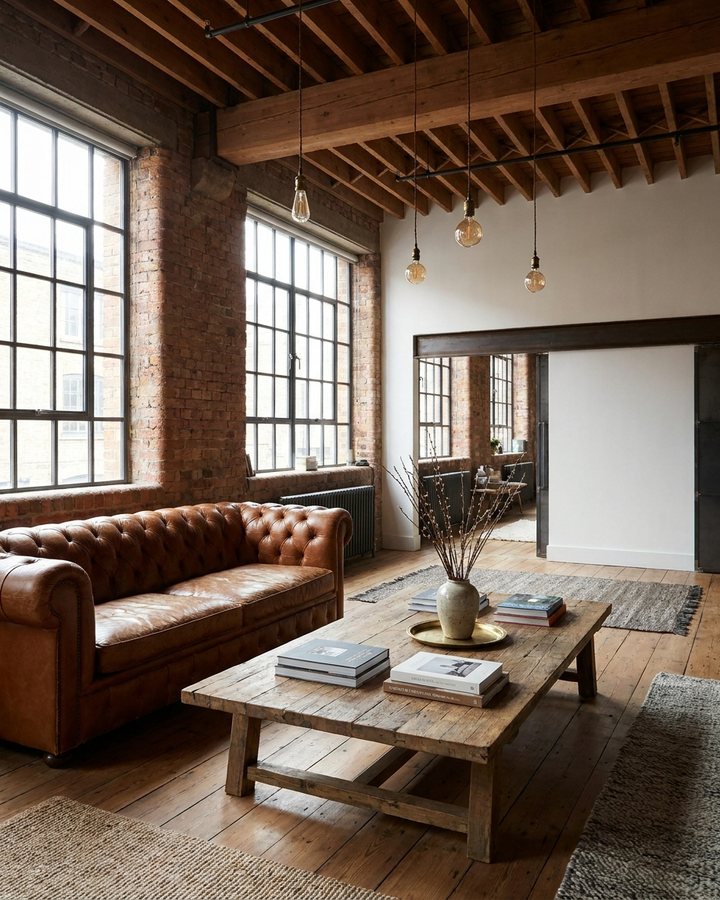
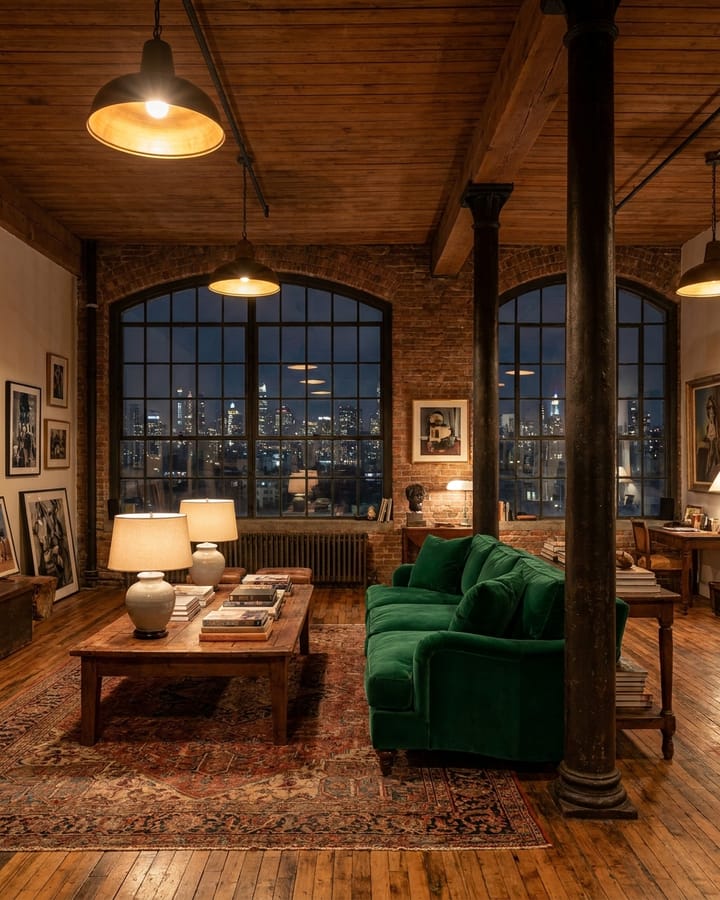
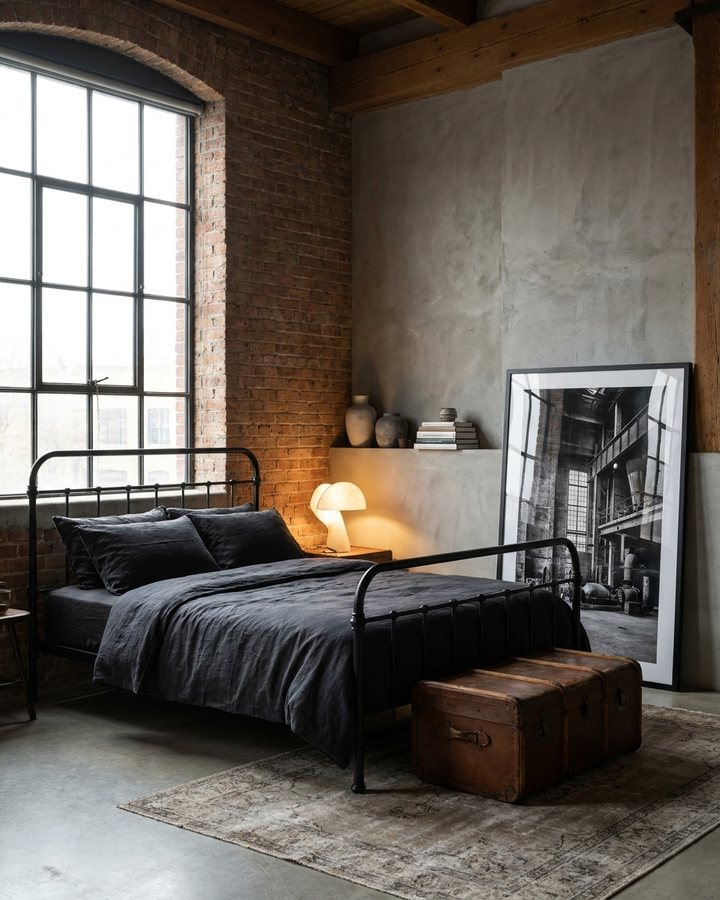
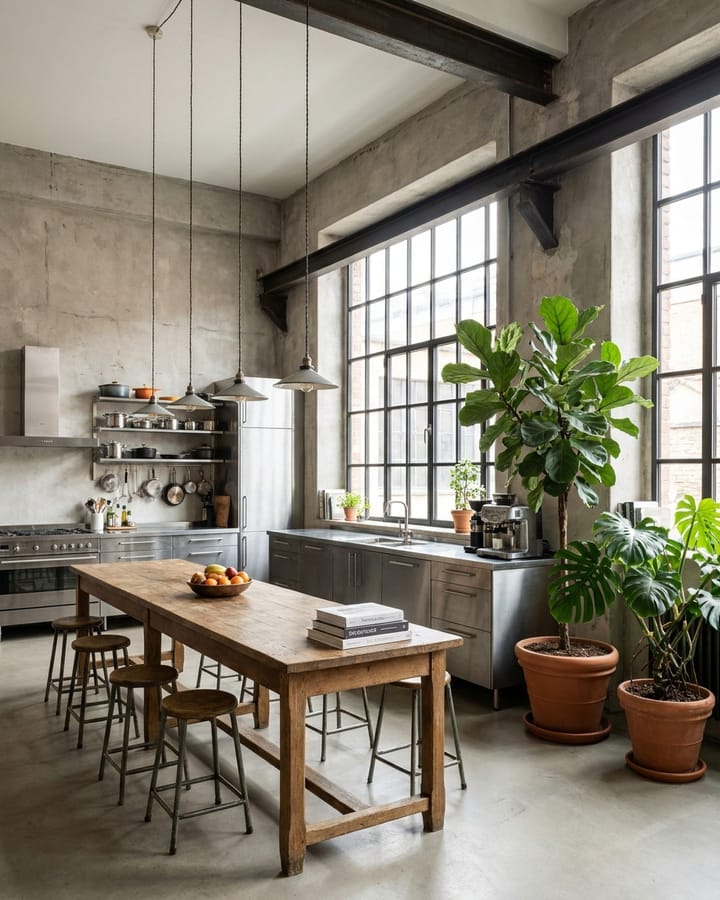
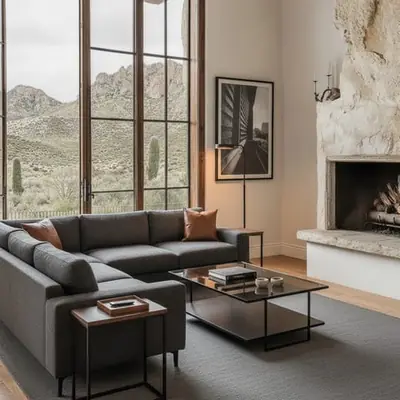
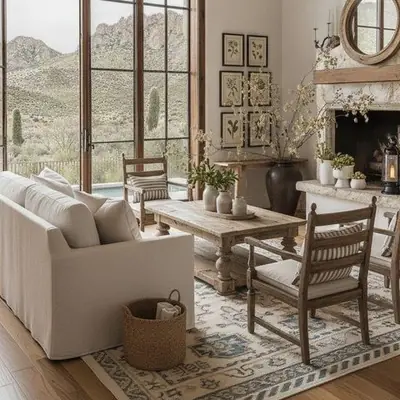
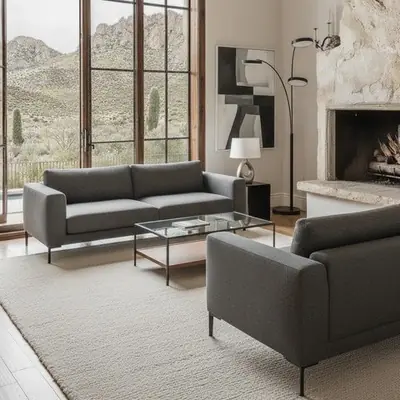
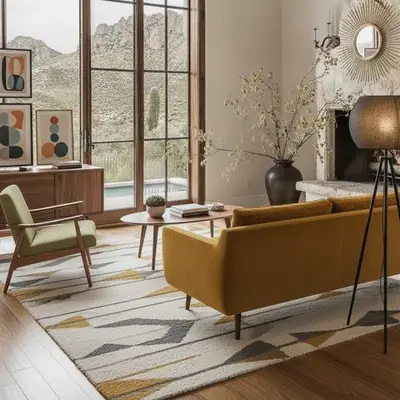
Pictures made for Find my style, our style quiz, to show the look. They are not photographs of real homes.
Pieces in the Industrial style
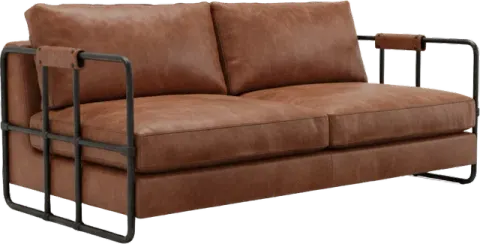 Sofa
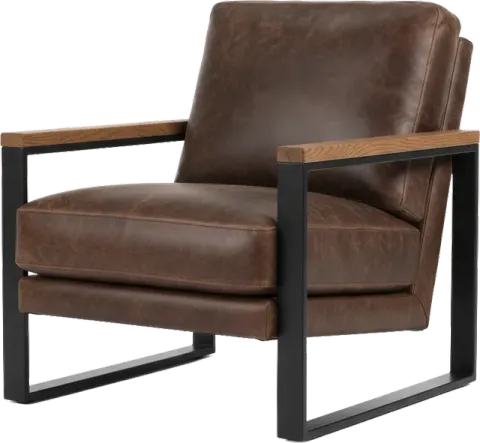 Armchair
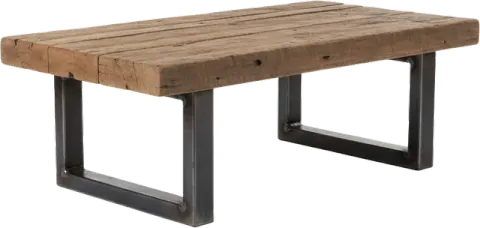 Coffee table
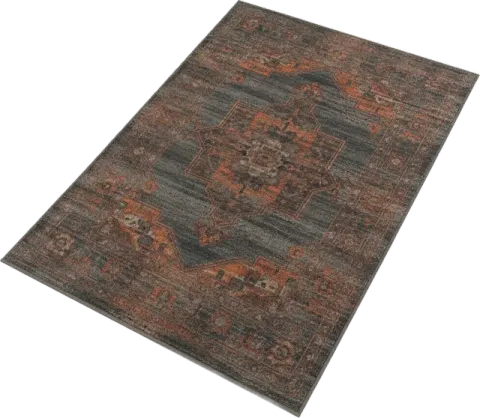 Rug
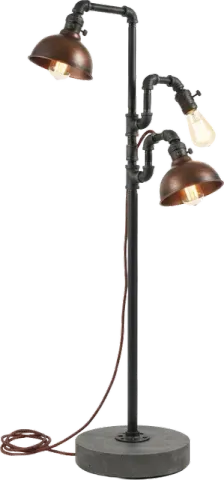 Lamp
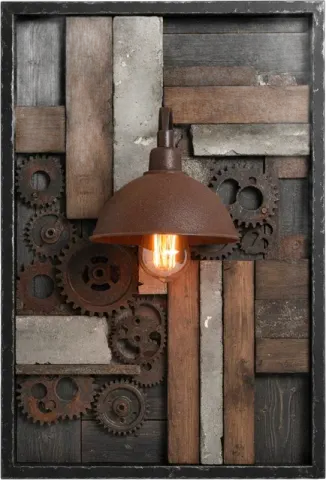 Wall art
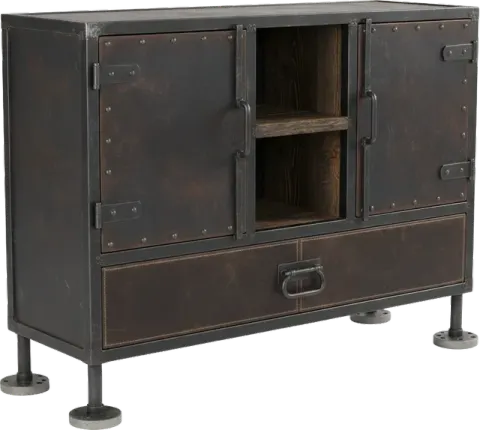 Storage
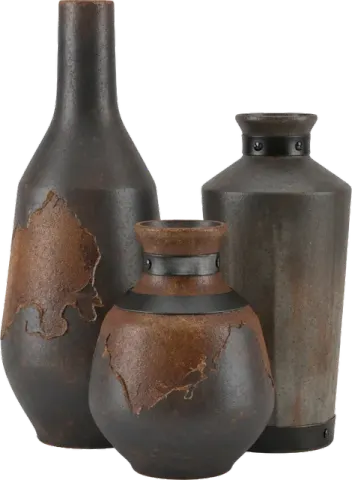 Decor
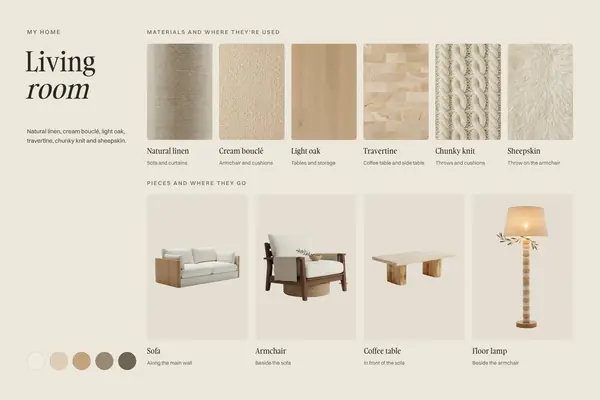
Drawn for Calm Studio’s moodboards to show the look: they are not products from a shop.
Some people like rooms that look decorated; industrial fans like rooms that look built. The style suits city flats, open-plan spaces and anyone who enjoys the contrast of hard metal and soft old leather. At its best it is warm, characterful and relaxed, a place where nothing needs protecting.
What is industrial style?
The look began when people started living in old warehouses and factories, notably in cities such as New York in the second half of the twentieth century. Rather than hide the buildings' past, they kept it: brick walls, steel beams, ducts and pipes, concrete floors and huge metal-framed windows. Furniture came from the same world, with metal stools, workshop lamps, school lockers and long workbenches.
Today the style brings that honesty into any home. Its essentials are raw materials left as they are, a sturdy, utilitarian feel and a warm, dark palette.
The key elements
- Exposed brick, concrete or plaster left rough.
- Black steel in frames, shelving and table bases.
- Reclaimed timber with marks and knots.
- Worn leather in cognac or dark brown.
- Factory lights: metal domes, jointed task lamps, filament bulbs.
- Open, uncluttered space with visible structure.
- Large black-and-white photographs.
Colours
Industrial colours come straight from its materials. Concrete grey covers walls or floors. Rust and cognac appear in leather, old brick and a worn rug. Tobacco brown is the colour of aged leather and timber. Charcoal and black iron give the room its lines. Keep walls lighter than the furniture where you can, because a room of dark on dark quickly feels like a cellar.
Materials and textures
Brick, concrete and steel set the tone; reclaimed oak, pine or elm warm it up. Leather, canvas, waxed cotton and wool give comfort. Copper and brass appear in small amounts, often on lamps. Finishes are matte, worn or slightly rusty, never polished to a shine. A faded vintage rug softens the hard surfaces and quietens the echo.
Furniture and shapes
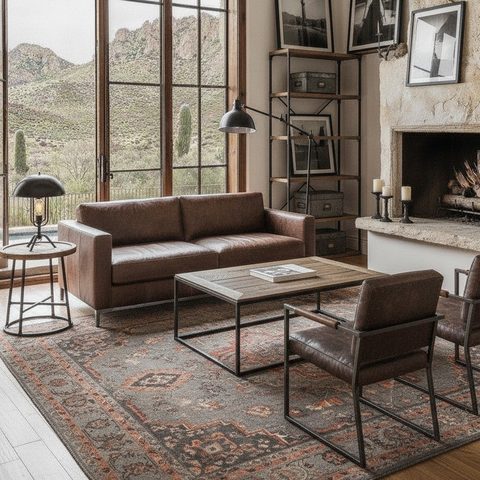
Furniture is solid and practical: a leather sofa with simple lines, armchairs on steel frames, a coffee table of thick timber on a black steel base, open steel shelving, metal bar stools, an old trunk or locker for storage. Shapes are rectangular and sturdy. Pieces can look borrowed from a workshop.
Lighting
Lighting is a highlight of the style: metal dome pendants over a table, a black jointed task lamp beside the sofa, a table lamp with an exposed filament bulb, track lights on the ceiling. Dark materials soak up light, so use several sources and warm bulbs; our lighting guide shows how to combine them.
Decor and accessories
Large black-and-white photographs or architectural prints in black frames, old maps, books on steel shelves, a few metal crates or boxes. Plants matter more here than in most styles: their green is the perfect foil to brick and steel. Keep accessories few and solid.
How to bring industrial style into your home
- Show what is already there: uncover a brick wall, leave pipes visible, keep a concrete floor.
- Swap bulbs for warm filament ones and shades for metal domes.
- Change curtain poles, frames and handles to black metal.
- Add a worn vintage rug in rust and charcoal.
- Bring in a steel shelving unit or a timber and steel side table.
- Find a second-hand leather sofa or armchair: the more worn, the better.
- Frame a big black-and-white print of a city street or a building.
Mistakes to avoid
- All hard surfaces. Without rugs, leather and plants, the room is cold and echoes.
- Too little light. Dark materials need many lamps.
- Fake brick wallpaper. It rarely convinces; paint or plaster is better.
- Too many vintage signs. One is character; five is a themed bar.
Industrial vs rustic
| Industrial | Rustic | |
|---|---|---|
| Origin | City factories and warehouses | Country farmhouses and barns |
| Metal | Black steel, lots of it | Iron and copper, in details |
| Wood | Reclaimed timber on steel frames | Reclaimed wood everywhere |
| Textiles | Leather, canvas, few textiles | Linen, wool, checks and throws |
| Mood | Urban and raw | Cosy and homely |
Industrial has the edge of the city, while rustic puts many of the same raw materials into a cosier, country mood: let your favourite setting decide.
Frequently asked questions
Can industrial style work in a small flat or a new build?
Yes. Bring in the materials rather than the architecture: black steel, reclaimed wood, leather and factory-style lamps. Pale walls stop the room from shrinking.
How do I soften an industrial room?
Add a large wool rug, linen curtains, plants and warm lamps. A velvet or bouclé chair beside the leather also helps.
What is the difference between industrial and urban modern?
Urban modern is sleeker: low grey sectionals, dark stone and tinted glass. Industrial is rawer, with exposed brick, worn leather and reclaimed wood.